



What Are Parallel Pliers And How Do They Work?
25th Nov 2026
Parallel pliers, also called parallel-action pliers, have jaws that close flat against each other instead of swinging shut like scissors. A box joint keeps the two jaws parallel at every opening, so they grip along their whole length rather than pinching at the tip.
That gives a firmer hold for less effort and much less risk of marking the work, which is why jewellers, model makers and engineers rely on them, and why they are so good at holding wire, flattening sheet metal and gripping awkwardly shaped parts. This guide explains how they work, why the grip is better, and the main types to choose from.
The parallel action
Ordinary pliers pivot on a single rivet, so the jaws meet at an angle and only touch the work at one point as they close. In parallel pliers the single pivot is replaced by a compound box joint, which keeps the jaws parallel from fully open to fully closed.
You use them exactly like other pliers, by squeezing the handles. Some have a return spring that opens the jaws for you between grips, and handles come either in plain zinc-plated steel for a firm hold or with soft plastic grips that stay comfortable over long sessions.
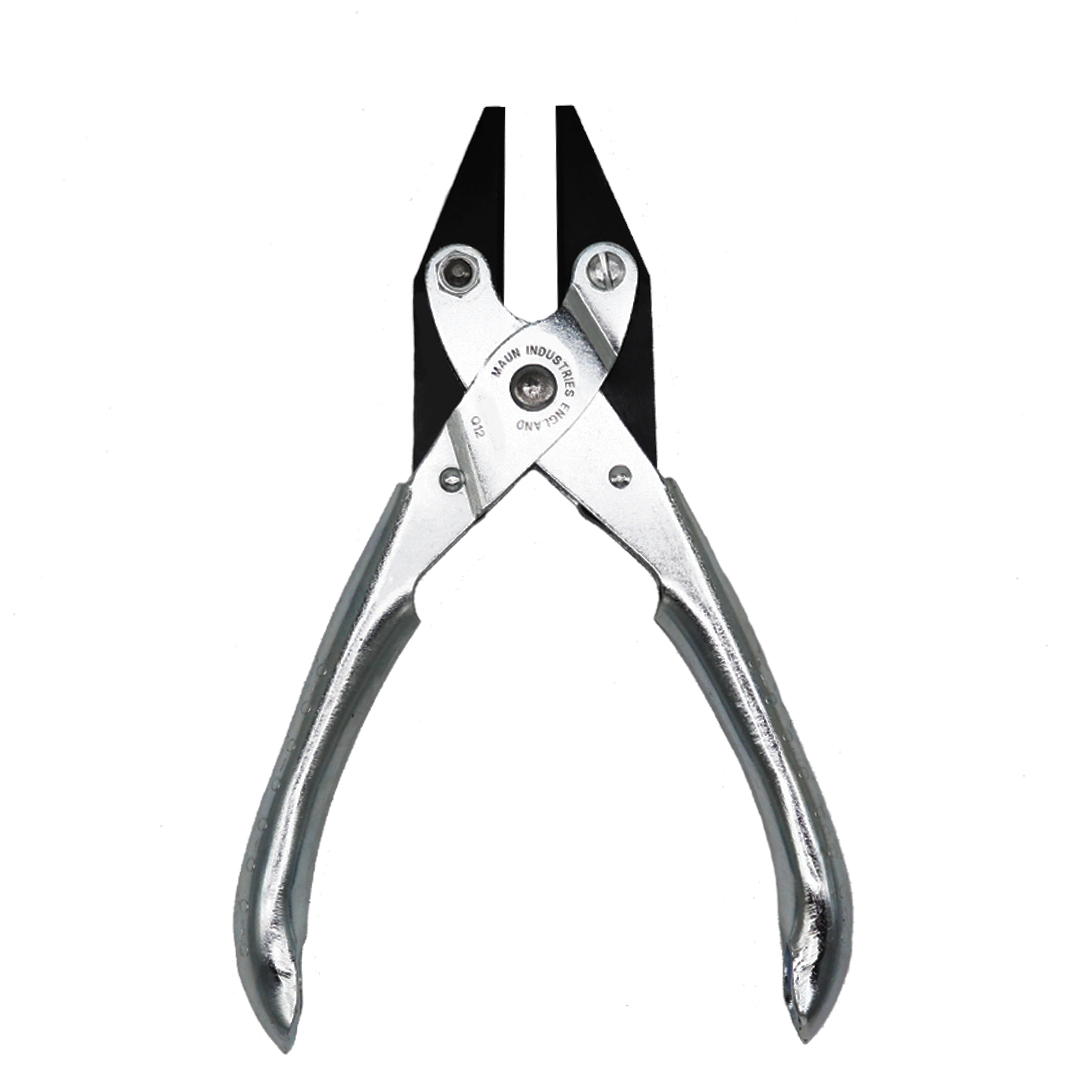
Face on: the jaws stay parallel at every opening, so the whole jaw surface meets the work.
The advantage of parallel jaws
The main reason to choose parallel pliers is the grip. Because the jaws clamp flat instead of pinching, they touch the workpiece over a much larger area. More contact means more friction, so you don't have to squeeze as hard to hold something firmly, and the pressure is spread out, so you are far less likely to mark or crush delicate material.
That combination is why they are so popular in jewellery making, and why they work well for forming and flattening metal sheet and for straightening and bending wire.
The main types of parallel pliers
Smooth jaw parallel pliers have smooth jaws that won't scratch or dent the work, which suits jewellery makers, model makers and crafters (smooth jaw range; features video). Jewellery parallel pliers are shaped for ring bending and loop making, again with smooth jaws, and come singly or in sets (jewellery pliers).
Round jaw parallel pliers bend rings, wire loops and curves without marking the metal, in a range of sizes (round jaw range).
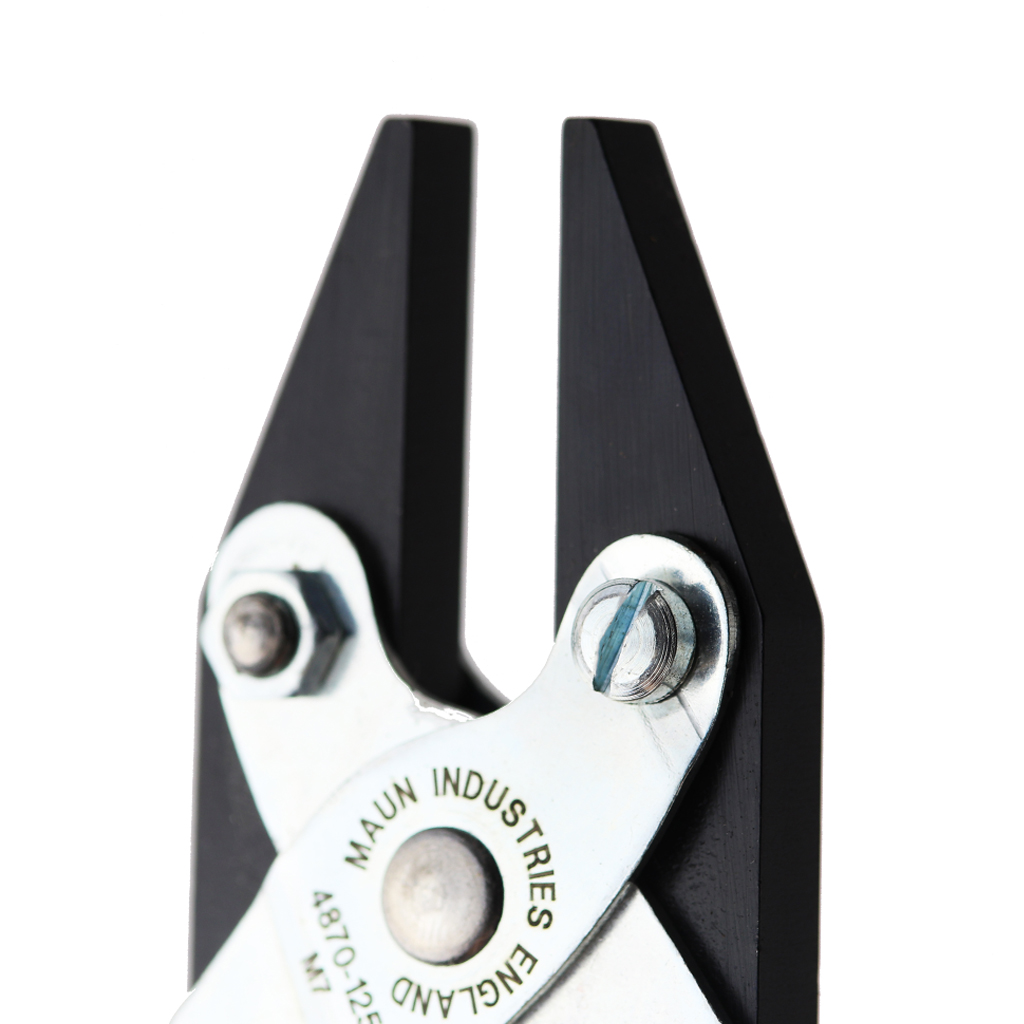
Smooth jaw parallel pliers: an even, mark-free grip for jewellery and model making.
Snipe nose parallel pliers taper to a fine tip so you can reach into small spaces and handle tiny parts, which is useful in model making, jewellery and everyday DIY (snipe nose range; features video).
Long nose parallel pliers take the reach further, with long slender jaws for wire, springs and fastenings deep inside assemblies, in fine or coarse serrations; the range includes a 200 mm plier for maximum reach, a 160 mm return-spring version for repetitive work and a long nose side cutter parallel plier (long nose parallel pliers).
Serrated jaw parallel pliers give the most grip of all, and have a V-slot in one jaw that holds wire or rod without slipping (serrated jaw range; see the flat nose plier in action). Side cutter parallel pliers add a cutter to the side of one jaw, so one tool grips and cuts (side cutter parallel pliers; how-to video).
Plastic jaw parallel pliers protect the work even more while keeping an accurate, secure hold (plastic jaw range).
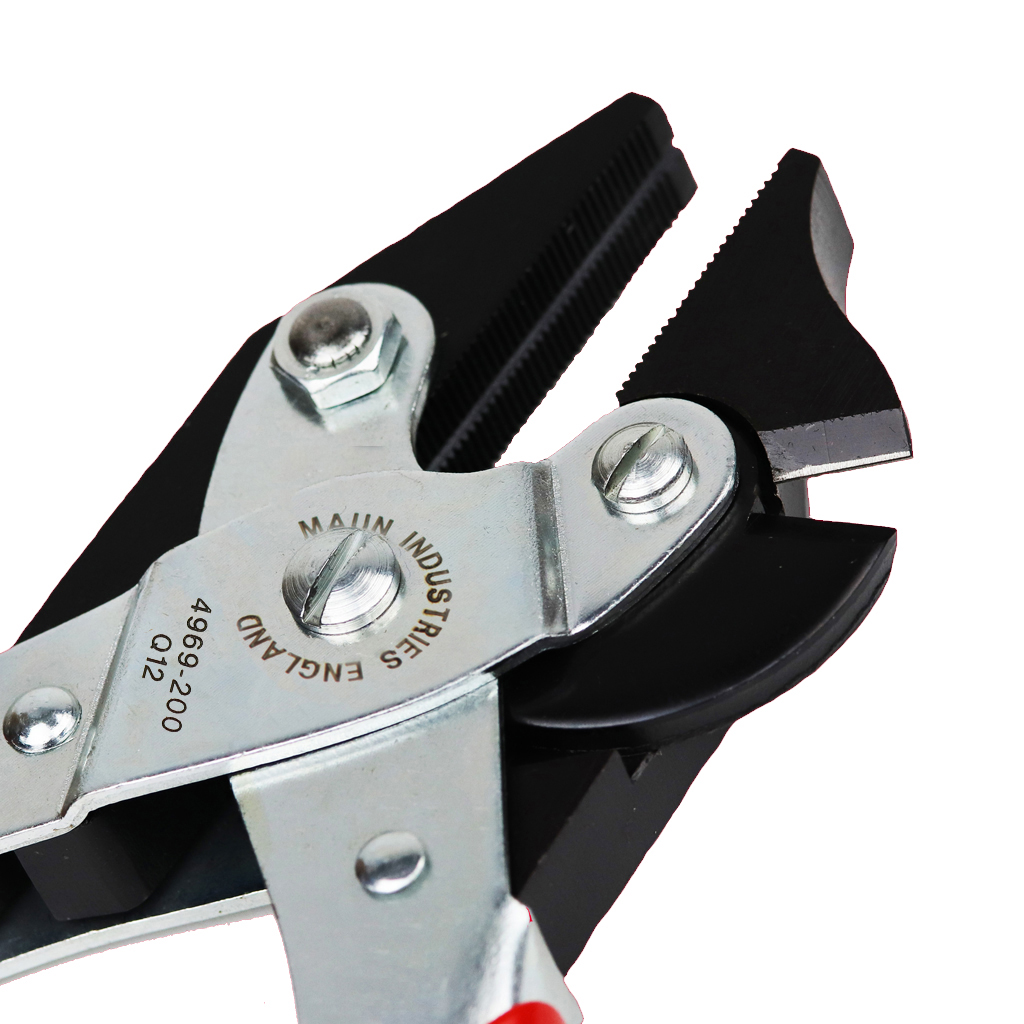
Side cutter parallel plier: parallel gripping jaws with a hardened cutter on the side.
Maun has made parallel pliers in England since 1944.
Browse our related posts below, or contact us with any questions: