


How To Choose The Right Pliers For Any Job
30th Apr 2026
Most people own one pair of pliers and use them for everything. Gripping bolts, bending wire, cutting cable, prying open paint tins.
Then they wonder why the bolt rounds off, the wire kinks and their hands ache after ten minutes.
The right plier for the job depends on the specific task you’re working on.
In this guide, we’ll help you choose the most effective one for your task.
Best Pliers for Gripping Nuts, Bolts and Stubborn Fastenings
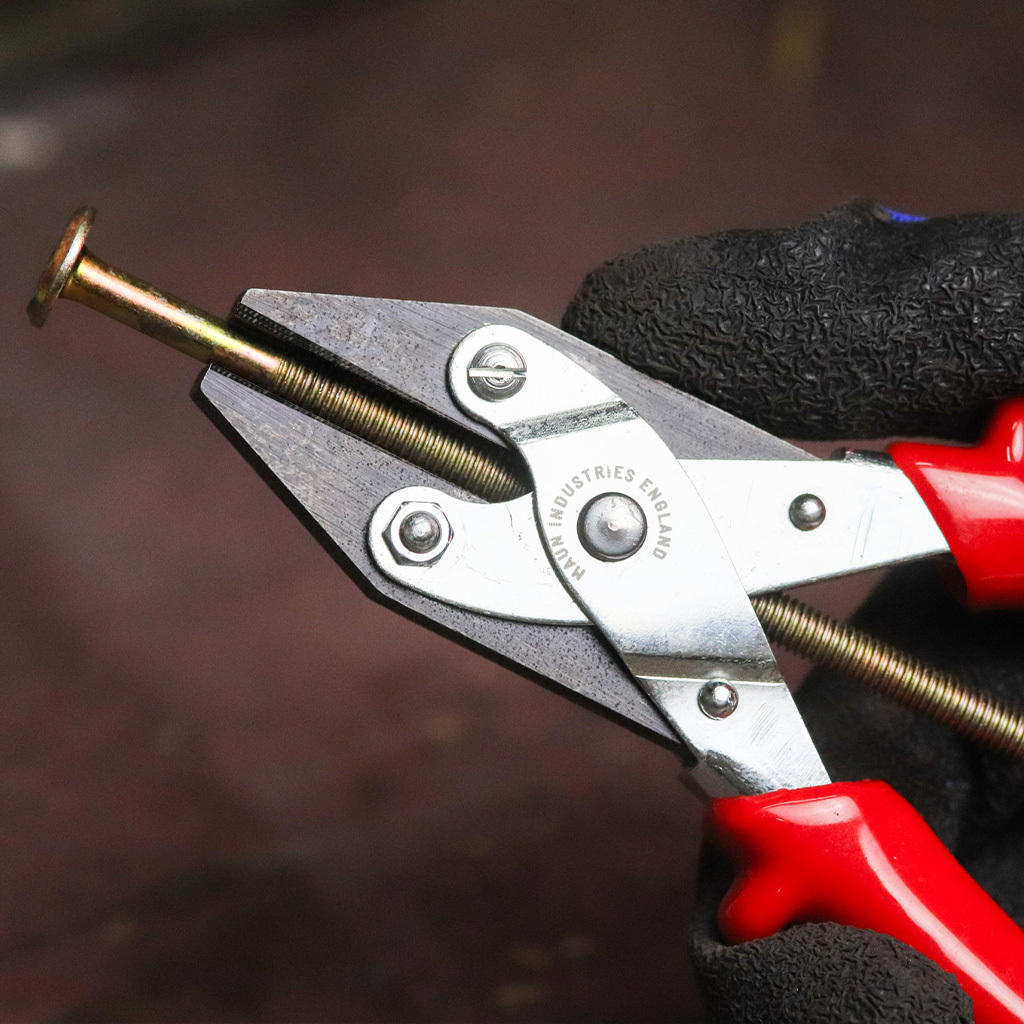
Our pick: Flat Nose Parallel Plier Comfort Grips 160 mm
If you need one plier for gripping seized nuts, stubborn bolts and awkward fastenings, this is it.
The parallel-action jaws grip evenly along the full 34 mm jaw length, so the fastening can't rotate or round off the way it does with single-point scissor-action pliers.
Reasons to buy:
- Parallel-action jaws apply even pressure across the full 35 mm jaw length, giving you better and more controllable grip.
- Case-hardened serrated jaws (HRC 57) provide exceptional grip on stubborn steel without deforming.
- V-slot in the jaws lets you feed wire through the tool, providing even better grip on wire and rods.
- Soft plastic comfort grips reduce hand fatigue during longer tasks (steel grips also available).
- 160 mm length offers excellent balance between leverage and control.
Ideal for: DIYers, mechanics, plumbers, maintenance engineers.
Best Pliers for Cutting Hard Wire and Cable
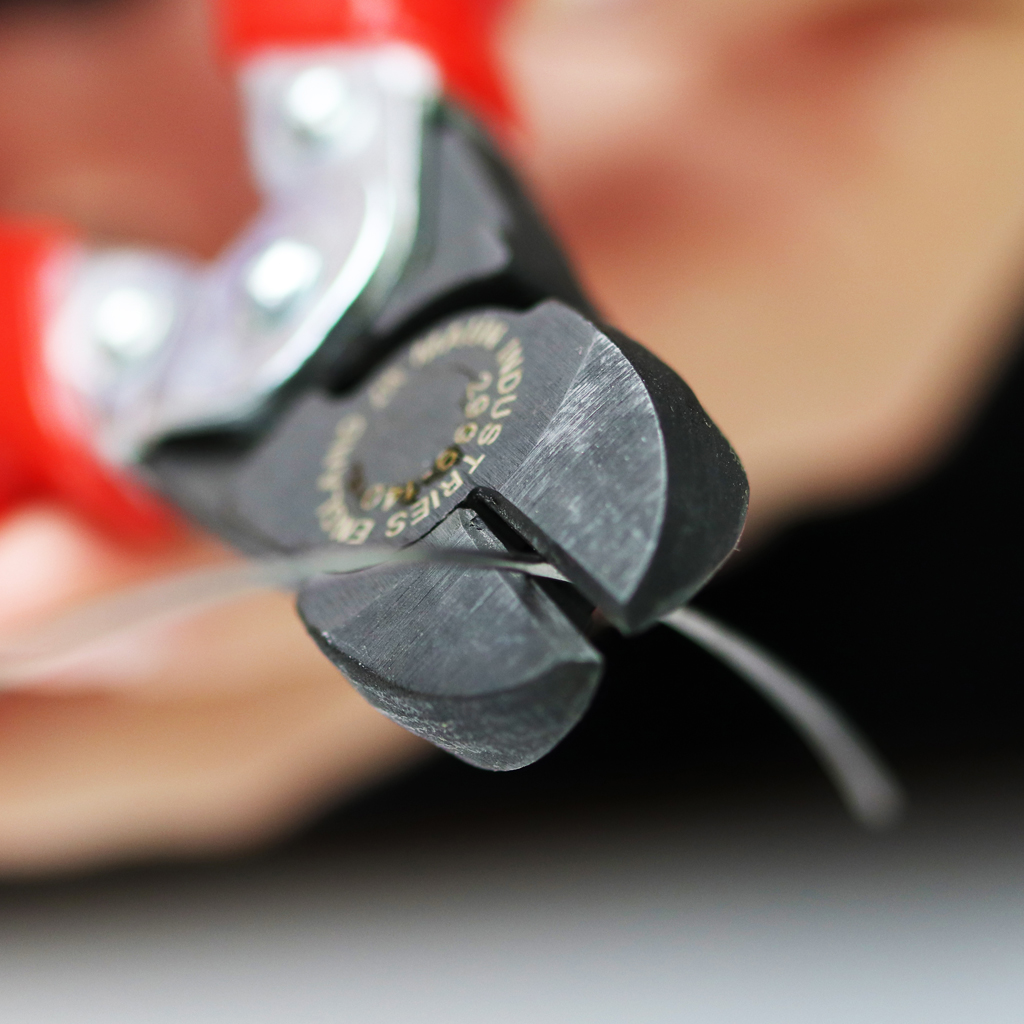
Our pick: Diagonal Cutting Plier For Hard Wire Comfort Grips 160 mm
If you're squeezing as hard as you can and the wire just dents, the cutting edges aren't hard enough and there's insufficient mechanical advantage doing the work for you.
The Maun Diagonal Cutting Plier has induction-hardened edges (HRC 64) and compound-lever action that multiplies hand force by 22x, so a firm squeeze cuts through 2.5 mm hard wire cleanly.
The return spring opens the jaws automatically between cuts, which makes a real difference over a full day of repetitive work.
Reasons to buy:
- Compound-lever action multiplies hand force by 22x, reducing cutting effort significantly.
- Induction-hardened cutting edges (HRC 64) stay sharp through repeated hard wire cuts.
- Handles piano wire up to 2.0 mm, hard wire up to 2.5 mm and soft wire up to 4.0 mm.
- Long-lasting return spring resets the jaws automatically for faster repetitive cutting.
- Soft plastic comfort grips reduce hand fatigue during extended sessions.
- Conforms to BS 3087-7:1996 and ISO 5747:1995.
Ideal for: Electricians (who may prefer the insulated handle version), mechanics, mattress manufacturers, piano technicians, anyone cutting wire regularly.
Best Pliers for Electrical Work on Live or Potentially Live Circuits
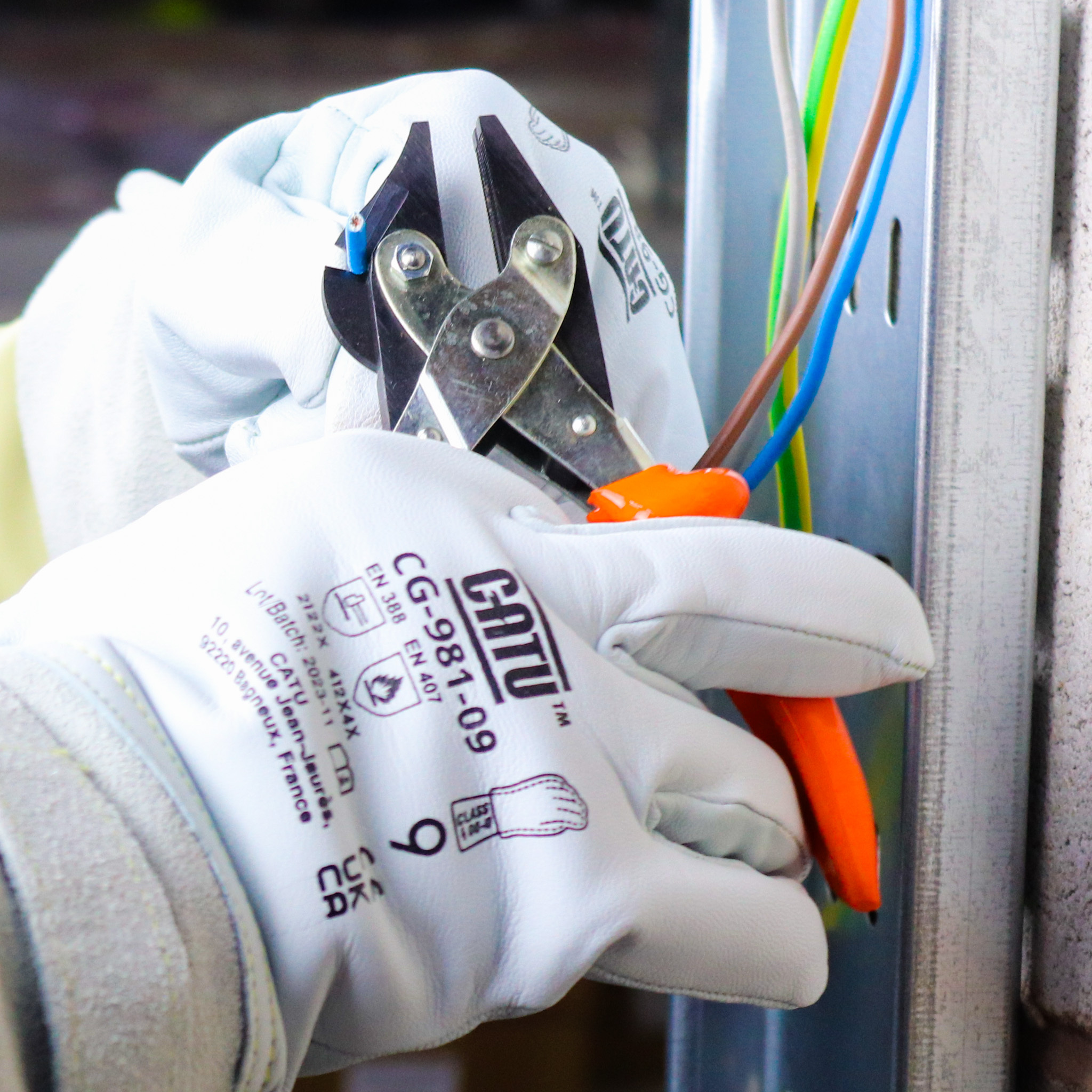
Our pick: 1000V Insulated Side Cutter Parallel Plier For Hard Wire 160 mm
If there is any risk a circuit could be live, you need pliers certified to IEC 60900:2018, not just rubber-coated handles, which give comfort but no protection.
Each tool is dielectrically tested to 10,000V and combines parallel-action gripping with an integrated side cutter, so you can grip, straighten, twist and cut cable inside a cramped consumer unit without swapping tools.
Reasons to buy:
- Certified to IEC 60900:2018 for protection on systems up to 1000V AC and 1500V DC.
- Each plier dielectrically tested to 10,000V for verified safety.
- Compound-lever action multiplies hand force by 23x, reducing cutting effort on hard wire up to 2.5 mm.
- Case-hardened jaws and blades (HRC 57) provide a durable, long-lasting cutting edge.
- Hand-stop guards on the insulated polymer handles prevent your fingers sliding onto the jaws.
- Parallel-action jaws give a vice-like grip along the full length for stable handling of conductors.
- 35 mm useable jaw length improves control when twisting and straightening conductors.
Ideal for: Electricians, electrical engineers, maintenance technicians, automotive technicians working near electrical systems.
Note on VDE: VDE is an independent brand that tests to IEC 60900:2018. It is not a required standard in its own right, so you don’t have to look for VDE tools for electrical work, just look for IEC 60900:2018 compliance.
Best Pliers for Working in Tight Spaces
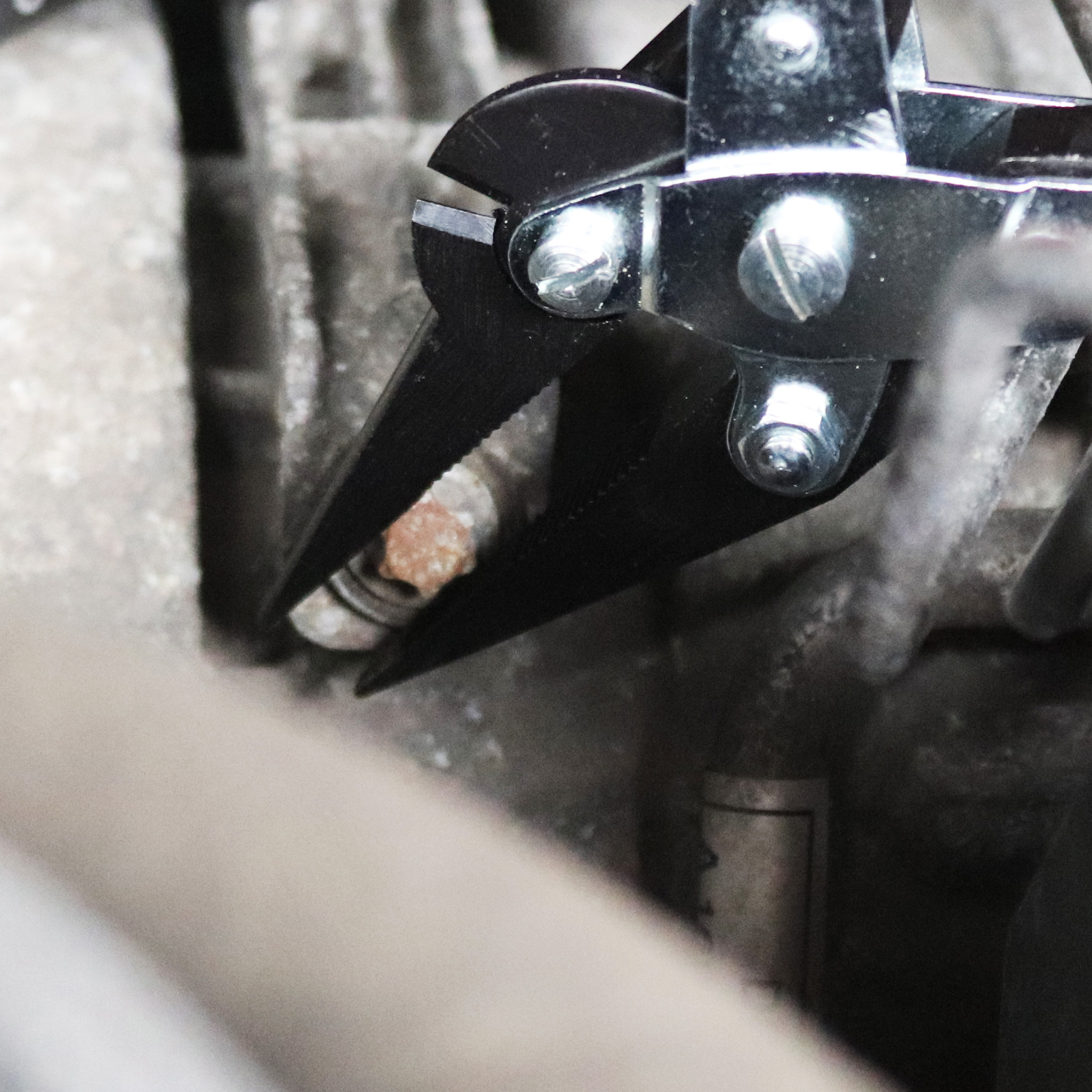
Our pick: Long Nose Parallel Plier 160 mm
When space is limited and you need extra reach without compromising on accuracy, these long nose pliers deliver.
The 50 mm tapered jaw reaches deep into confined spaces with full parallel contact right down to a 3.0 mm x 1.5 mm tip, without the outward splay you get from scissor-action designs. This gives you far greater control with less effort (just when you need it).
Reasons to buy:
- 50 mm useable jaw length tapers to a 3.0 mm x 1.5 mm tip for exceptional reach.
- Parallel-action jaws close without splaying, taking up minimum width in tight spots.
- Case-hardened serrated jaws (HRC 57) grip firmly even when only using the tips.
- Open-throat design allows you to thread wire down the full length of the plier for more flexible working.
- 160 mm overall length gives good reach without adding bulk.
Ideal for: Electricians, mechanics, electronics technicians, model makers, anyone working inside tight enclosures.
Best Pliers for Jewellery Making and Delicate Metalwork
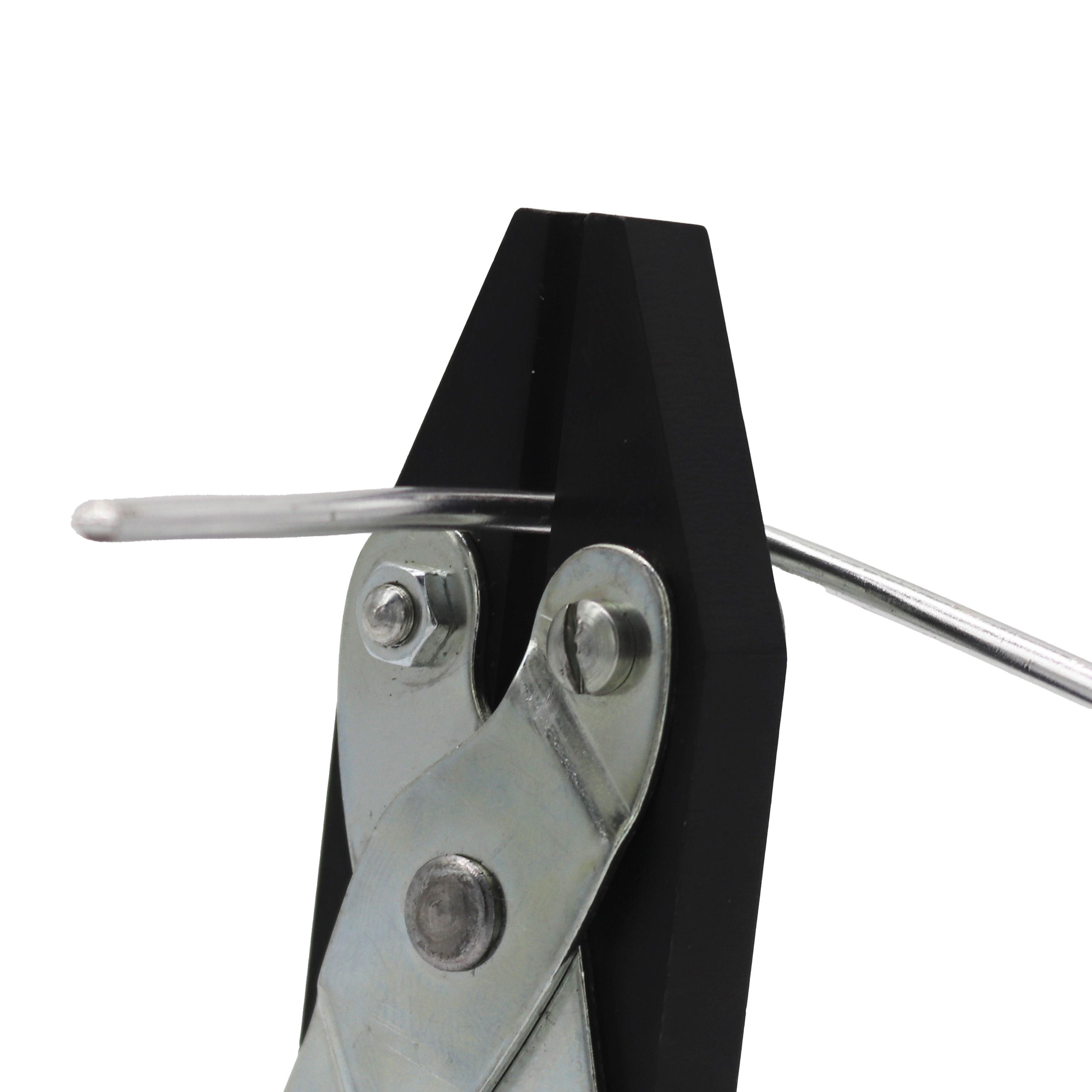
Our pick: Smooth Jaws Flat Nose Parallel Plier 140 mm
When you're making jewellery, the wrong pliers will leave marks on your finished piece or distort jump rings into a V-shape.
The smooth, precision-ground jaws on this plier grip evenly across the full 28 mm jaw length without marking or crushing.
At 140 mm, it's sized for the fine control you need during chain maille, jump ring work and wire wrapping.
Reasons to buy:
- Smooth (non-serrated) jaws protect soft metals and finished pieces from marking during work.
- Parallel-action jaws distribute pressure evenly, preventing the single-point crushing that distorts jump rings and damages fine metal.
- 28 mm useable jaw length at 140 mm overall gives fine control for detailed work.
- Open-throat design lets you feed wire through for full-length straightening and kink removal.
Ideal for: Jewellery makers (professional and hobbyist), silversmiths, goldsmiths, wire-wrap artists, beaders.
Best Pliers for Bending and Straightening Wire
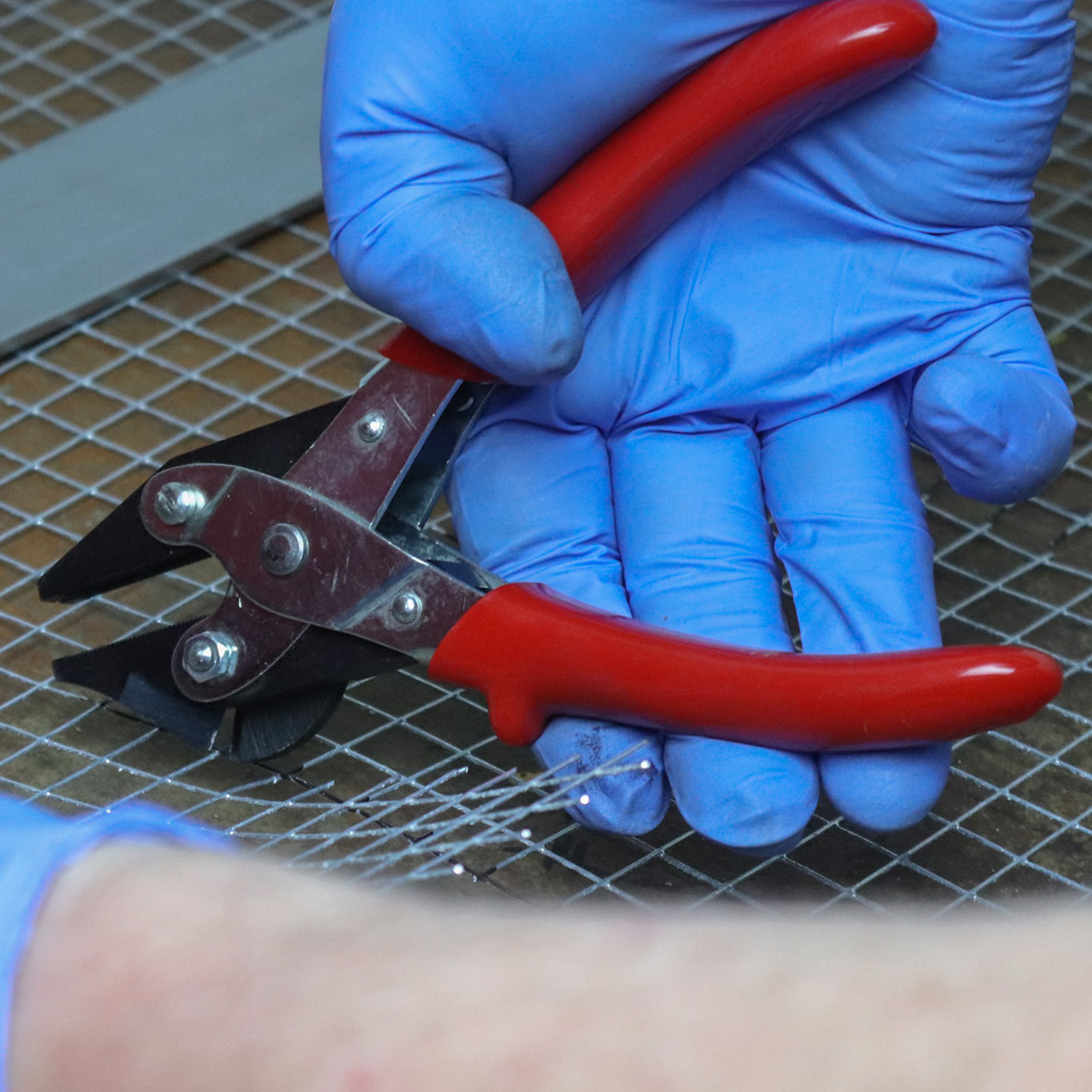
Our pick: Side Cutter Parallel Plier For Hard Wire Comfort Grips 160 mm
If you need to bend, straighten and cut wire without swapping tools, this combination plier is a great option.
The V-slot channel feeds wire along the full jaw length (giving you exceptional grip). The parallel jaws apply even pressure (for maximum surface area contact), so the wire bends exactly where you choose with no kinking or slipping. The integrated side cutter lets you cut the wire as you work without swapping tools.
Reasons to buy:
- Parallel-action jaws apply even pressure along the full 35 mm jaw length, preventing kinks and uneven bends.
- V-slot jaw feeds and holds wire securely to stop rotation or escape during bending.
- Integrated side cutter lets you grip, bend and cut with one tool.
- Compound-lever action multiplies hand force by 23x, reducing effort when cutting hard wire up to 2.5 mm.
- Case-hardened jaws and blades (HRC 57) deliver long-lasting durability.
- Soft plastic comfort grips reduce hand strain during extended work.
Ideal for: DIYers, gardeners, fencing installers, crafters, general maintenance.
Best Pliers for Model Making and Miniature Work
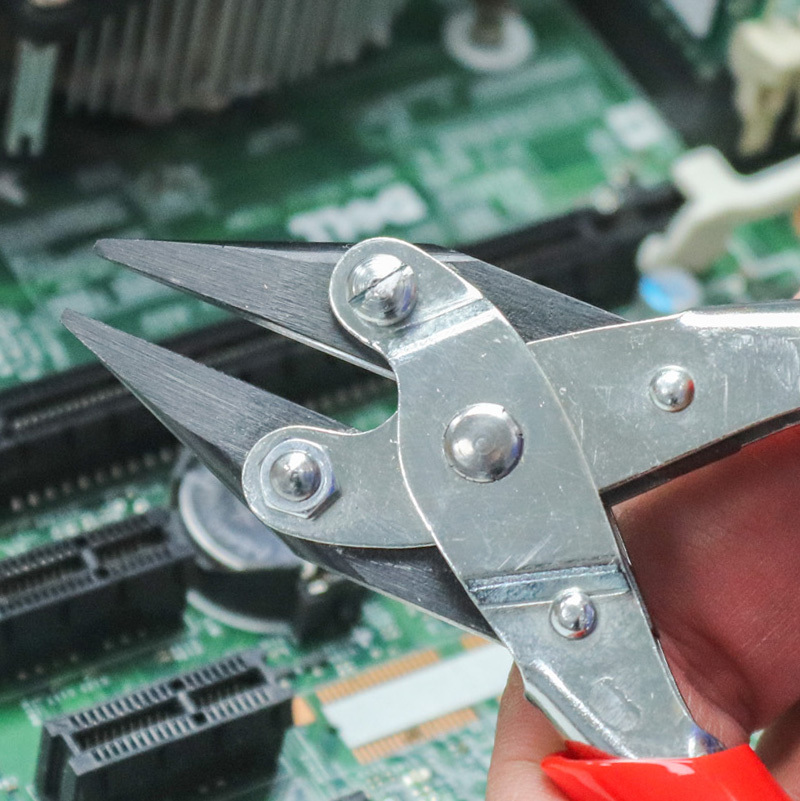
Our pick: Snipe Nose Smooth Jaws Parallel Plier 125 mm
When you're working with tiny components, full-size pliers feel clumsy and serrated jaws destroy delicate parts.
At 125 mm, this is the most compact plier in the Maun range, with smooth parallel jaws that grip evenly without marking and a tapered snipe nose down to 2.0 mm x 1.8 mm for precise access in tight model spaces.
Reasons to buy:
- Compact 125 mm size improves control for precision work and small components.
- Smooth (non-serrated) jaws protect delicate parts, wire and soft metals from marking.
- Tapered snipe nose reaches down to a 2.0 mm x 1.8 mm tip for fine access.
- Parallel-action jaws maintain an even grip on components as small as 1 mm, reducing slips.
- 30 mm useable jaw length gives you enough contact for a secure hold.
- Case-hardened jaws (HRC 57) provide durability for workshop and hobby use.
Ideal for: Scale model builders, miniature hobbyists, electronics assemblers, instrument repair technicians.
Best Pliers for Repetitive Tasks and Long Work Sessions
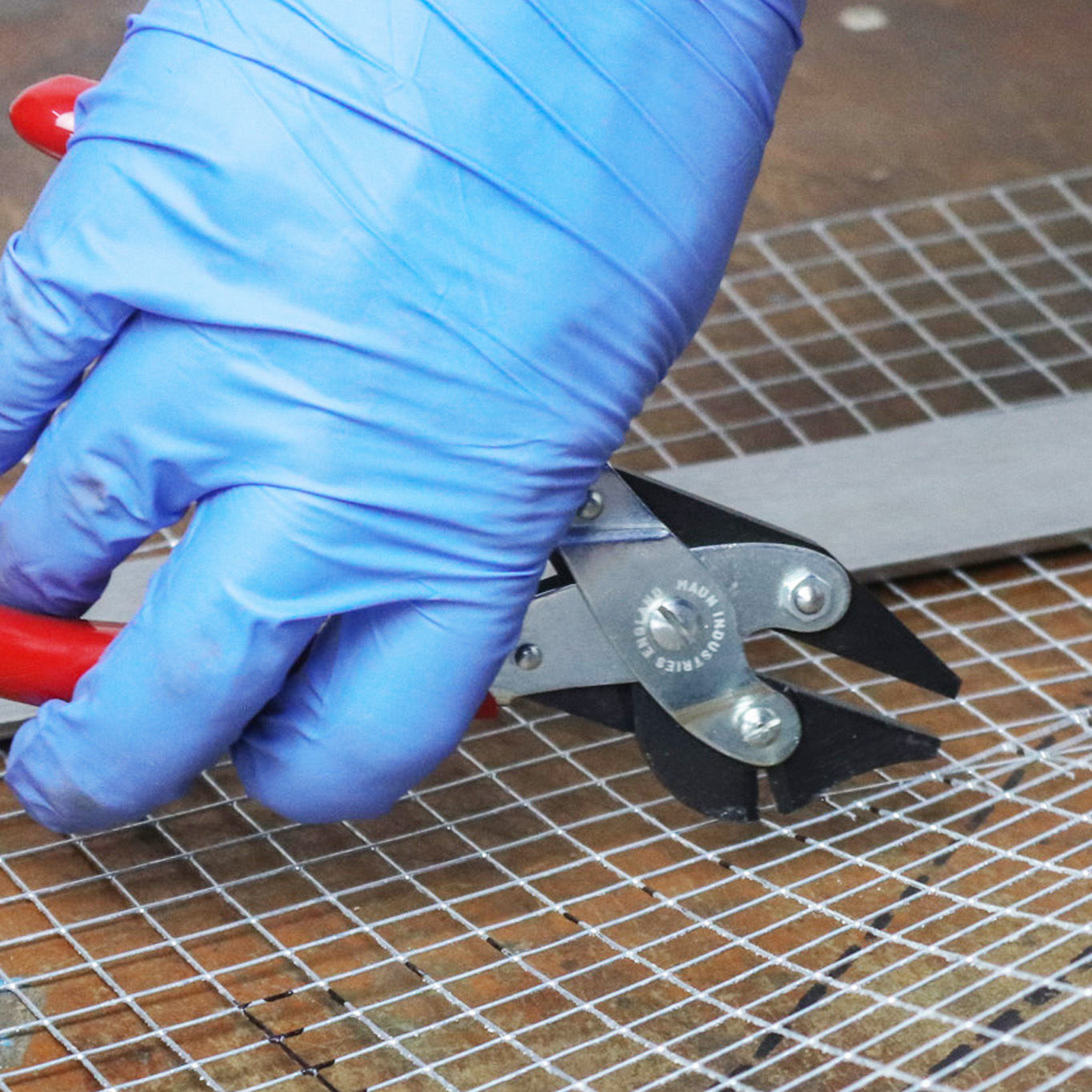
Our pick: Side Cutter Parallel Plier For Hard Wire Return Spring Comfort Grips 160 mm
If you're doing repeated grip-and-cut cycles all day, the return spring on this plier will save your hand strength.
It resets automatically between operations, halving the muscle movements per cycle, while the parallel-action jaws grip on first contact so you're not repositioning the workpiece each time.
Reasons to buy:
- Long-lasting return spring resets the jaws automatically, halving the muscle effort per cut.
- Soft plastic comfort grips distribute pressure across a wider palm area to reduce fatigue.
- Compound-lever action multiplies hand force by 23x, reducing the effort when cutting hard wire up to 2.5 mm.
- Case-hardened jaws and blades (HRC 57) handle hard wire up to 2.5 mm and soft wire up to 4.0 mm.
- Parallel-action jaws grip consistently, reducing the need to reposition your workpiece.
- V-slot jaw gives you more surface area contact with the wire, helping with grip consistency that helps you work more efficiently.
Ideal for: Production workers, electricians on long installs, fencing contractors, jewellers doing batch work.
Best Pliers for Fencing and Agricultural Wire Work
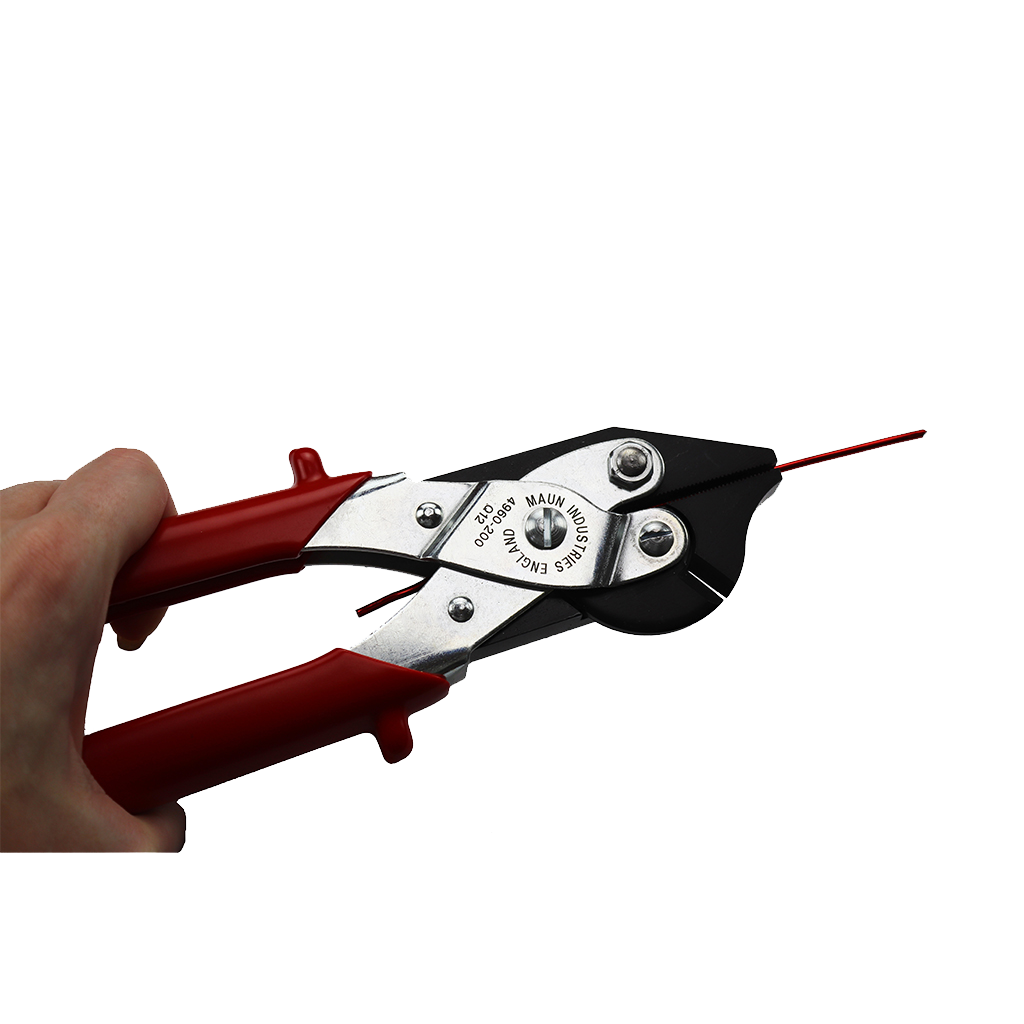
Our pick: Fencing Plier Comfort Grips 200 mm
High tensile electric fencing wire will blunt standard pliers in a single session, and when you're halfway across a field you need one tool that cuts, grips, bends and tensions wire.
This fencing plier has cutting edges hardened to HRC 62-65 and compound-lever action that multiplies hand force by 25x, so you can cut through 3.0 mm hard wire with a one-hand squeeze.
Reasons to buy:
- HRC 62-65 hardened cutting edges survive high tensile wire without blunting.
- Compound-lever action multiplies hand force by 25x, making one-hand cuts through 3.0 mm hard wire possible.
- Handles piano wire up to 2.5 mm, hard wire up to 3.0 mm and soft wire up to 6.0 mm.
- V-slot serrated jaws lock wire in place to prevent it from slipping during bending and tensioning.
- 40 mm useable jaw length at 200 mm overall provides maximum leverage for heavy work.
- Soft plastic comfort grips reduce fatigue during all-day outdoor work (steel handles available too).
Ideal for: Livestock farmers, fencing contractors, estate managers, agricultural maintenance.
Best Pliers for Flush-Cutting and Removing Nails or Staples
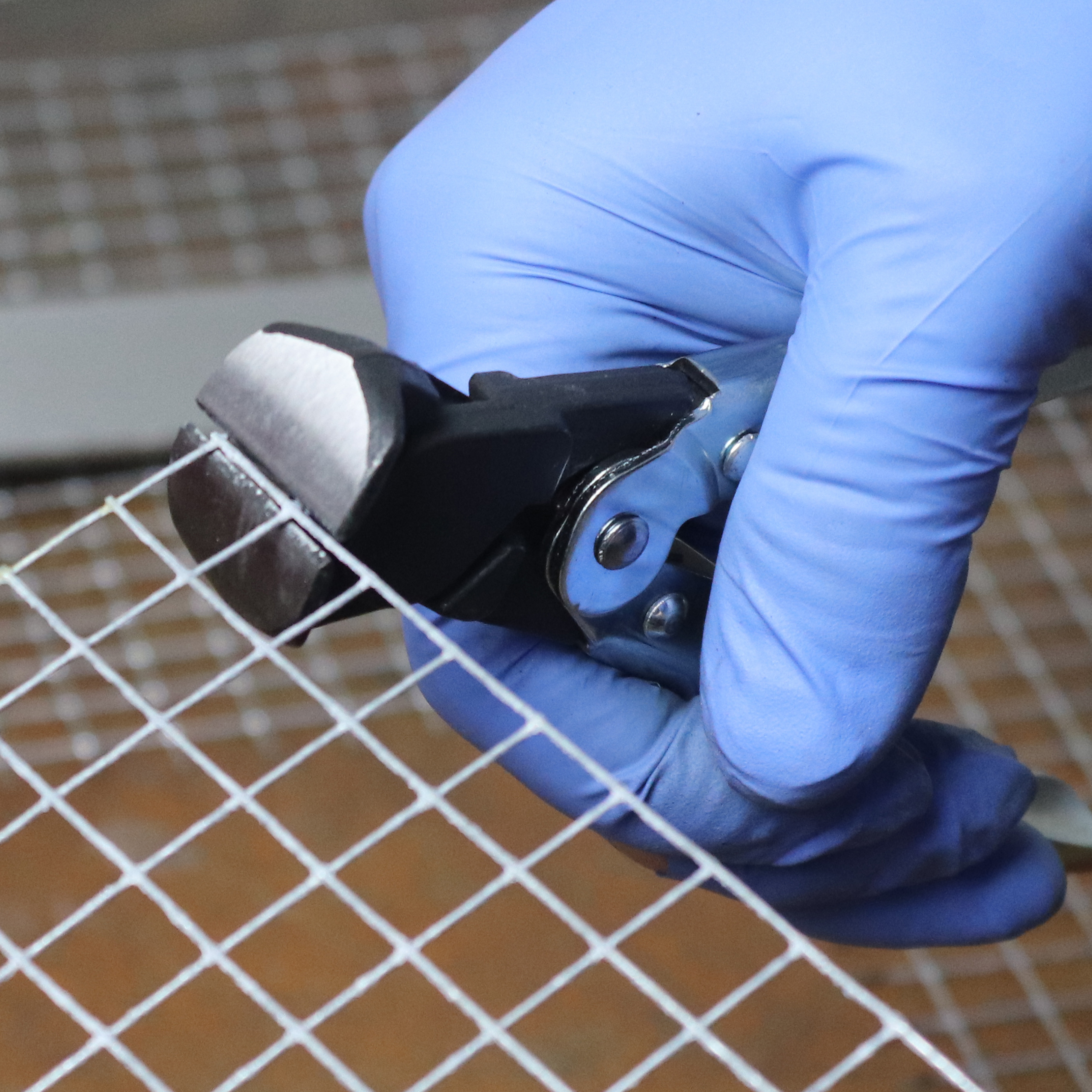
Our pick: End Cutting Plier For Hard Wire Comfort Grips 150 mm
Side cutters and diagonal cutters leave a protruding stub. End cutters position the cutting edge at the very tip, so you can press flat against a surface and cut flush with no sharp edge left behind.
The compound-lever action multiplies your hand force by 14x, making each cut comfortable even on cut number 200.
Reasons to buy:
- Cutting edges positioned at the end of the jaws allow true flush cuts against any surface.
- Compound-lever action multiplies hand force by 14x, reducing effort on each cut.
- Induction-hardened cutting edges (HRC 64) stay sharp through repeated use.
- Handles piano wire up to 1.6 mm, hard wire up to 2.0 mm and soft wire up to 3.0 mm.
- Long-lasting return spring resets the jaws automatically for faster repetitive work.
- Soft plastic comfort grips reduce hand fatigue during extended sessions.
Ideal for: Electricians doing rewires, mattress manufacturers, upholsterers, carpenters, DIYers pulling old fixings.
Best Pliers for Olive Removal During Plumbing Jobs
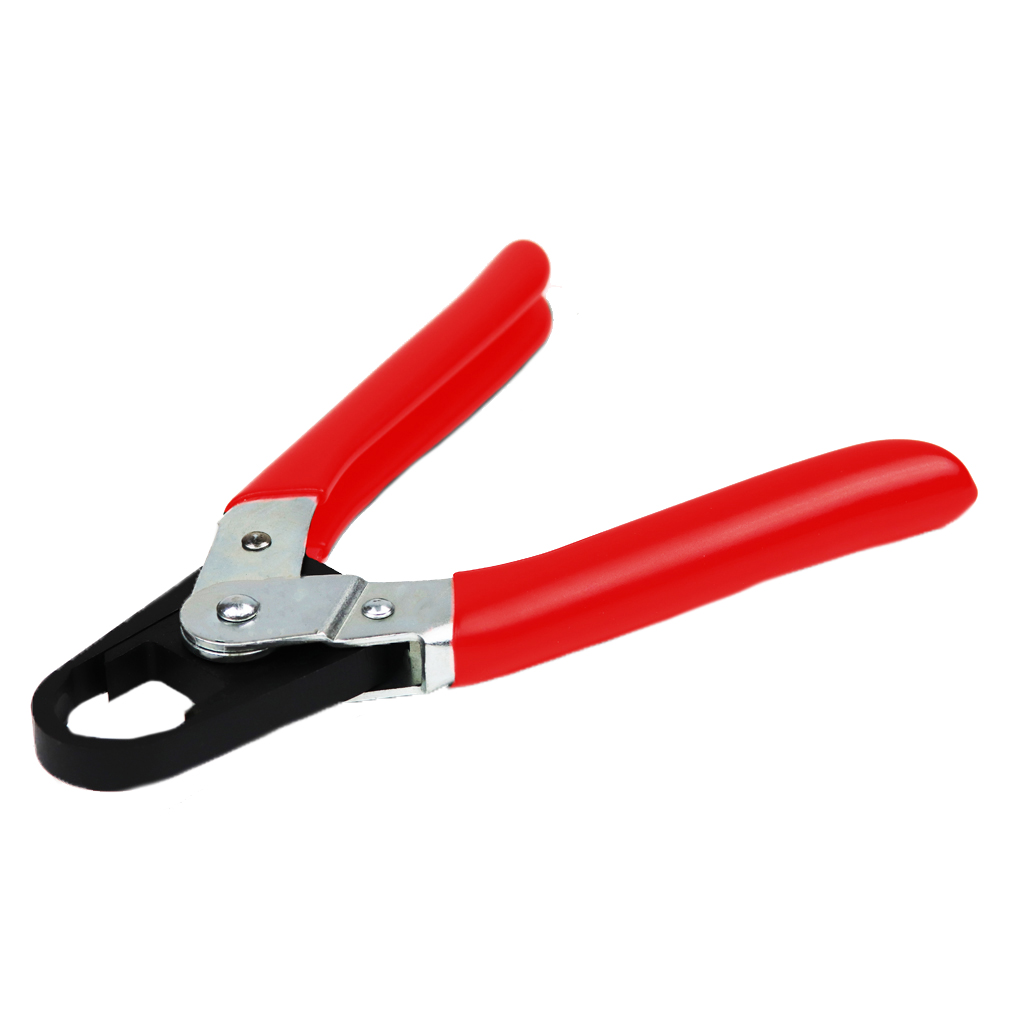
Our pick: Olive Cutter Plier Type Tool 15 mm
Removing a compression olive from copper pipe without damage is one of plumbing's most common frustrations.
The Maun olive cutter is purpose-built for this job. It cuts through the olive cleanly with no swarf, no pipe damage and a 15x force multiplier that handles even seized olives.
Available in 8 mm, 10 mm, 15 mm and 22 mm to match standard UK pipe sizes.
For general plumbing grip work where scratching is a concern, pair this with a Smooth Jaws Flat Nose Parallel Plier 160 mm - smooth parallel jaws grip chrome and brass without marking.
Reasons to buy:
- Purpose-built for compression olive removal, delivering a clean cut with no pipe damage and no swarf.
- 15x hand force multiplication makes even seized olives manageable with a firm squeeze.
- Steel cutting blades hardened to HRC 45 maintain a reliable edge.
- Return spring resets the handles for comfortable repeated use.
- Available in 8 mm, 10 mm, 15 mm and 22 mm to match standard UK pipe sizes.
- Screw-type variant available for confined spaces where handles can't open fully.
Ideal for: Plumbers, heating engineers, DIYers doing bathroom and kitchen work.
How To Choose The Right Plier Jaws For Your Job
It’s not always obvious which pliers, and more specifically jaw types, are right for the task at hand.
Here’s a quick reference guide:
Match the jaw surface to the material
- Serrated jaws - maximum grip on tough materials (fastenings, hard wire, fencing).
- Smooth jaws - grip without marking (jewellery, chrome fittings, polished surfaces).
- Nylon or plastic jaws - the gentlest grip (coated wire, coloured finishes, ultra-soft metals).
- V-slot jaws - wire and rod sit in the groove and can't rotate or escape.
Match the size to the task
- 125 mm - maximum control for precision work (jewellery, model making, electronics).
- 140 mm - excellent control for precision work, suitable for larger hand (jewellery, model-making, electronics).
- 160 mm - the all-rounder that handles most jobs (start here if unsure).
- 200 mm - maximum leverage for heavy-duty work and the larger hand (fencing, large cable, heavy fastenings).
FAQs
Can I use one pair of pliers for everything?
You can try, but you'll do every job worse than you need to. Serrated jaws will mark jewellery. Smooth jaws will slip on stubborn bolts. Matching the tool to the task saves time, gives better results and puts less strain on your hands.
What's the difference between parallel-action and normal pliers?
Normal pliers pivot on a single pin, so force concentrates at one point. Parallel-action pliers use a compound box joint that keeps the jaws parallel as they close, distributing force evenly across the full jaw length for a firmer grip, less slipping and no damage to the workpiece.
Do I need insulated pliers for electrical work?
If you work on or near live circuits, yes. But insulated means certified to IEC 60900:2018 and marked with the double-triangle 1000V symbol on the tool itself. Plastic-coated handles alone are comfort features, not safety features.
What does HRC mean and why does it matter?
HRC is the Rockwell hardness scale for steel. For plier jaws, HRC 57 is standard for gripping. For cutting edges, HRC 64 handles hard wire without dulling. If a manufacturer won't publish their HRC rating, it's usually because the number isn't worth publishing.
How do I know what size pliers to buy?
125 mm and 140 mm for precision work and tight spaces. 160 mm for general-purpose (most versatile size). 200 mm for heavy-duty work where maximum leverage matters. If in doubt, 160 mm.
Are more expensive pliers actually worth the money?
A plier with hardened jaws (HRC 57+) and precision cutting edges (HRC 64) will outlast several cheaper alternatives and need less hand force on every operation. Factor in the cost of replacing tools that blunt after a week, the time lost to slipping jaws and the strain on your hands, and a well-made plier pays for itself quickly.
Final Summary
That's our guide to choosing the right pliers for your next job.
If you have any feedback or improvements you’d recommend for this post, we’d love to hear from you.
This post was brought to you by Maun, experts in tools since 1944.
Scroll back up to re-read any key points, browse our related pages below, or contact us with any questions: