


Best Combination Pliers
24th Jun 2026
Combination pliers are popular because they can cut, grip and manipulate wire without you swapping tools every thirty seconds.
However, the standard scissor-action combination pliers concentrate force at a single point near the tips. This results in an uneven grip, causing you to slip on wire and square fastenings, or makes you overcompensate by squeezing too hard, which fatigues your hand.
Combination parallel pliers are better because the jaws stay parallel as they close, so pressure spreads evenly along the full length of the workpiece. The side cutter is also located on the outside of the tool, meaning you get more gripping area without compromising on the grip + cut feature.
Here are our top picks and when they’re useful for:
Best Combination Parallel Pliers for Gripping Pipework and Cutting Wire on the Same Job
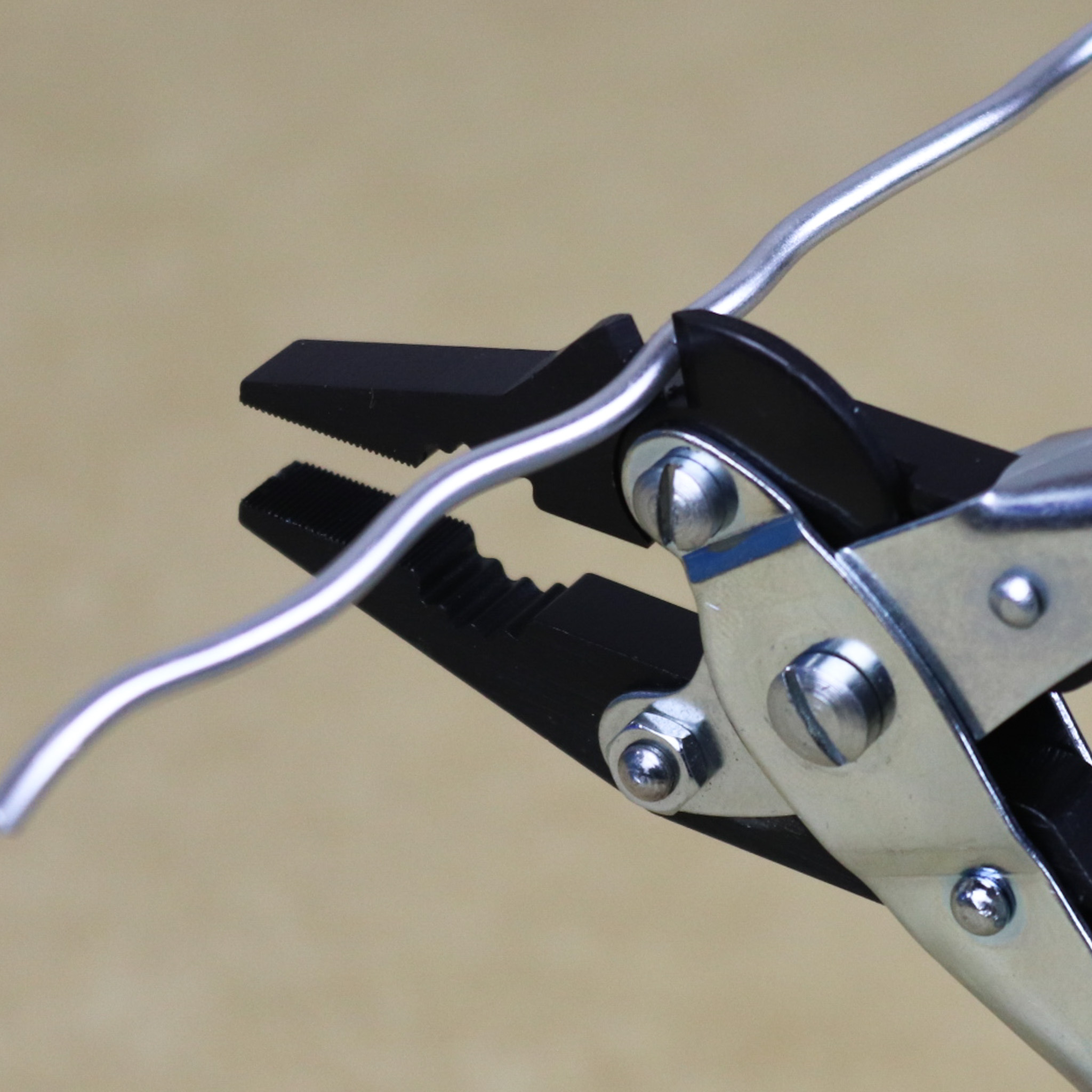
Our pick: Combination Parallel Plier Comfort Grips 180 mm
The perfect multi-purpose tool, grip pipes and hexagonal fittings, and cut wire using the same pair of pliers. The serrated pipe grip gives you exceptional grip on pipes without crushing them (thanks to the parallel-action jaws), and the longer serrated jaws make it perfect to quickly switch to tightening a nut. The integrated side cutter lets you quickly swap to cutting without changing to another tool as well.
Reasons to buy:
- Integrated serrated pipe grip fixes round pipe, rod or tube firmly between the jaws.
- Parallel jaws grip square and hexagonal fastenings in a vice-like grip across the full 42 mm jaw length.
- Side-mounted compound-lever cutter multiplies hand force by 23x, for less effort cutting hard wire than a conventional plier.
- Cuts piano wire up to 2.0 mm, hard wire up to 2.5 mm and soft wire up to 4.0 mm.
- Case-hardened jaws and blades (HRC 57) for durability.
- Soft plastic comfort grips for use over longer sessions.
- Tested against BS 3087-7:1996 and ISO 5747:1995, the British and ISO performance standards for hand cutting pliers.
Ideal for: Plumbing and heating engineers, electricians running mixed pipe and cable, maintenance technicians, manufacturers handling tube and wire on the same workpiece.
Best Combination Parallel Pliers for Repetitive Wire Work and Long Sessions
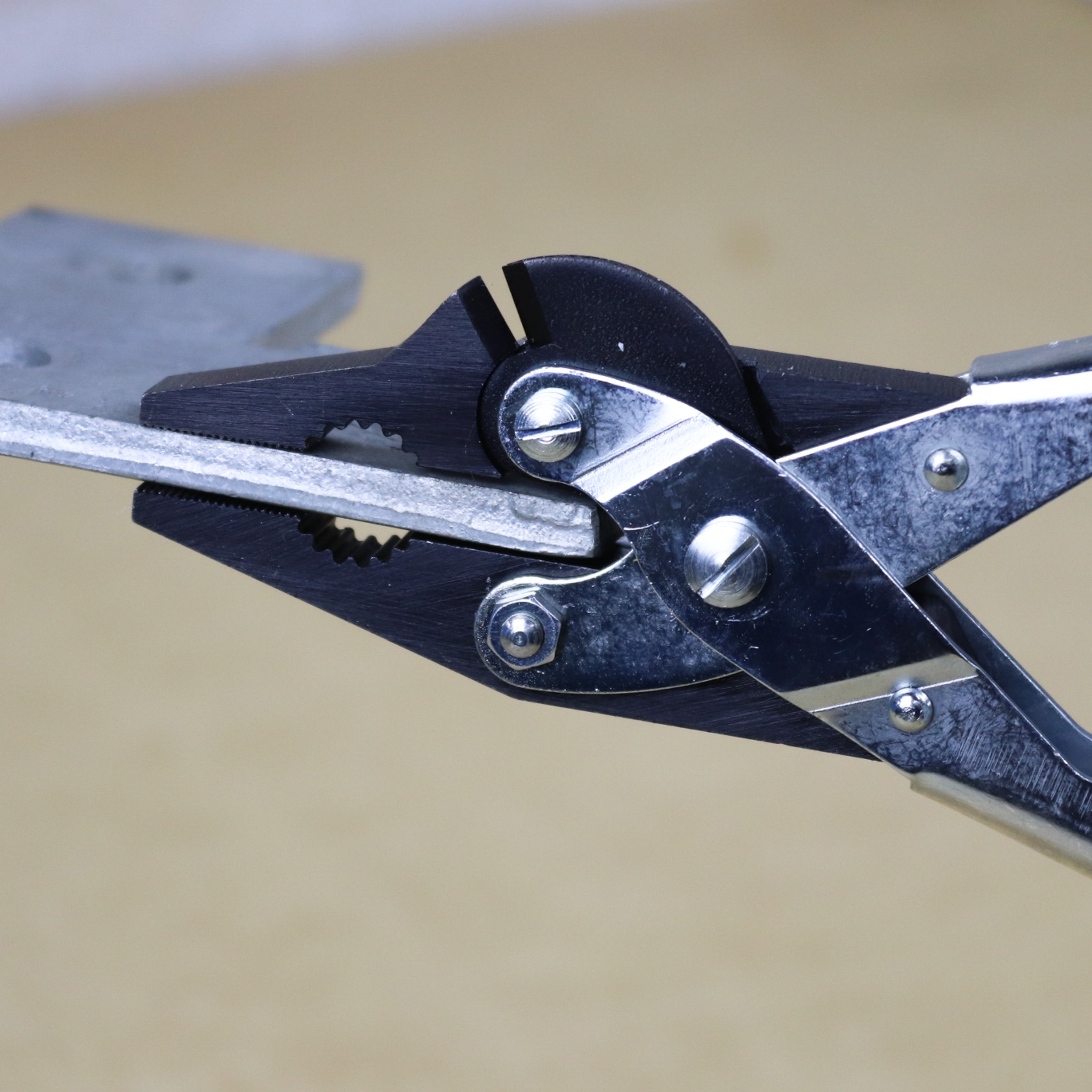
Our pick: Side Cutter Parallel Plier For Hard Wire Return Spring Comfort Grips 160 mm
Cutting wire after wire all day takes its toll on your hands. The return spring on this model helps, as it opens the jaws automatically between cuts, so you don't have to keep opening them yourself manually. The soft plastic grips spread the load across a wider contact area, which keeps you going through second-fix, junction box and consumer unit wiring.
Reasons to buy:
- Long-lasting return spring opens the jaws automatically between cuts, so each cycle is one motion not two.
- Soft plastic comfort grips keep hand strain down through longer shifts.
- Compound-lever action multiplies hand force by 23x, for less cutting effort on hard wire up to 2.5 mm.
- Cuts hard wire up to 2.5 mm and soft wire up to 4.0 mm; jaws and blades case hardened to HRC 57.
- Parallel jaws give a vice-like grip on square and hexagonal fastenings, so they don't twist or round off when you tighten.
- V-slot along one jaw lets you feed wire down the full length for straightening, kink removal and bending.
Ideal for: Electricians on long installs, maintenance engineers, manufacturers doing batch wire work, fencing contractors, jewellers doing batch chain work.
Best Combination Parallel Pliers for Live or Potentially Live Electrical Work
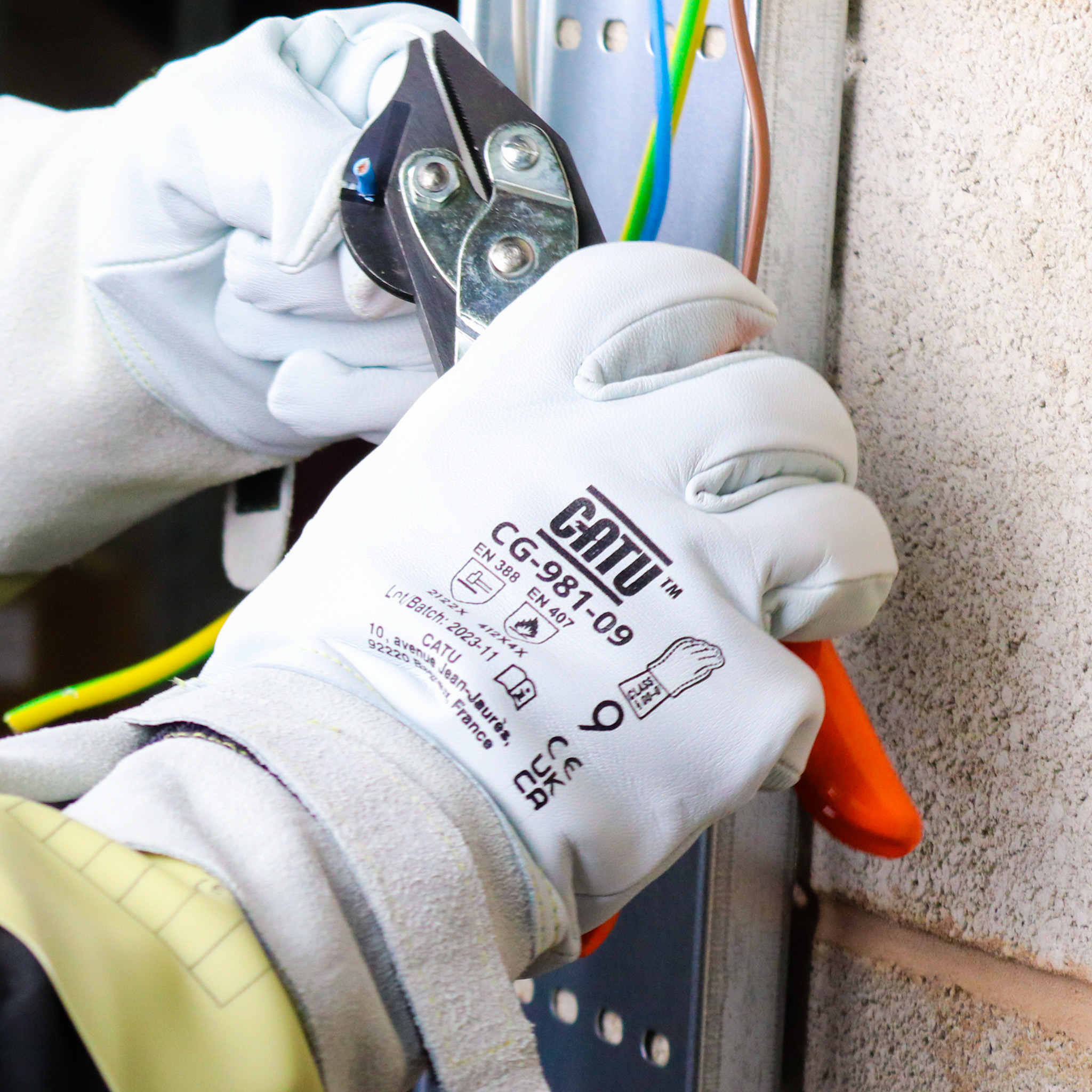
Our pick: 1000V Insulated Side Cutter Parallel Plier For Hard Wire 160 mm
If there is any chance a circuit could be live, you need pliers certified to IEC 60900:2018. Rubber-coated handles alone don't give you certified protection. This 160 mm plier is dielectrically tested to 10,000V and pairs parallel jaws with a side-mounted cutter, ideal for cramped consumer units where you need to grip, twist and cut cable without swapping tools.
Reasons to buy:
- Certified to IEC 60900:2018 for use on systems up to 1000V AC and 1500V DC. The double-triangle 1000V icon and the IEC 60900:2018 standard are hard-marked on the tool itself.
- Industrial-grade polymer handles with integral hand-stops to prevent your fingers slipping onto the metal jaws during use.
- Compound-lever action multiplies hand force by 23x, for less effort cutting hard wire up to 2.5 mm.
- Cuts hard wire up to 2.5 mm and soft wire up to 4.0 mm; jaws and blades case hardened to HRC 57.
- Parallel jaws give a vice-like grip on conductors and fastenings along the full 35 mm jaw length.
- V-slot along one jaw lets you feed cable down the full length for straightening and termination work.
Ideal for: Electricians on second-fix and consumer-unit work, electrical engineers, maintenance technicians, automotive technicians working near vehicle electrical systems.
Note on VDE: VDE is an independent test house that certifies tools to IEC 60900:2018. It is not a separate standard. Look for IEC 60900:2018 on the tool itself; VDE certification is one route to it, not a requirement in its own right.
Best Combination Parallel Pliers for Thick Cable and First-Fix Work
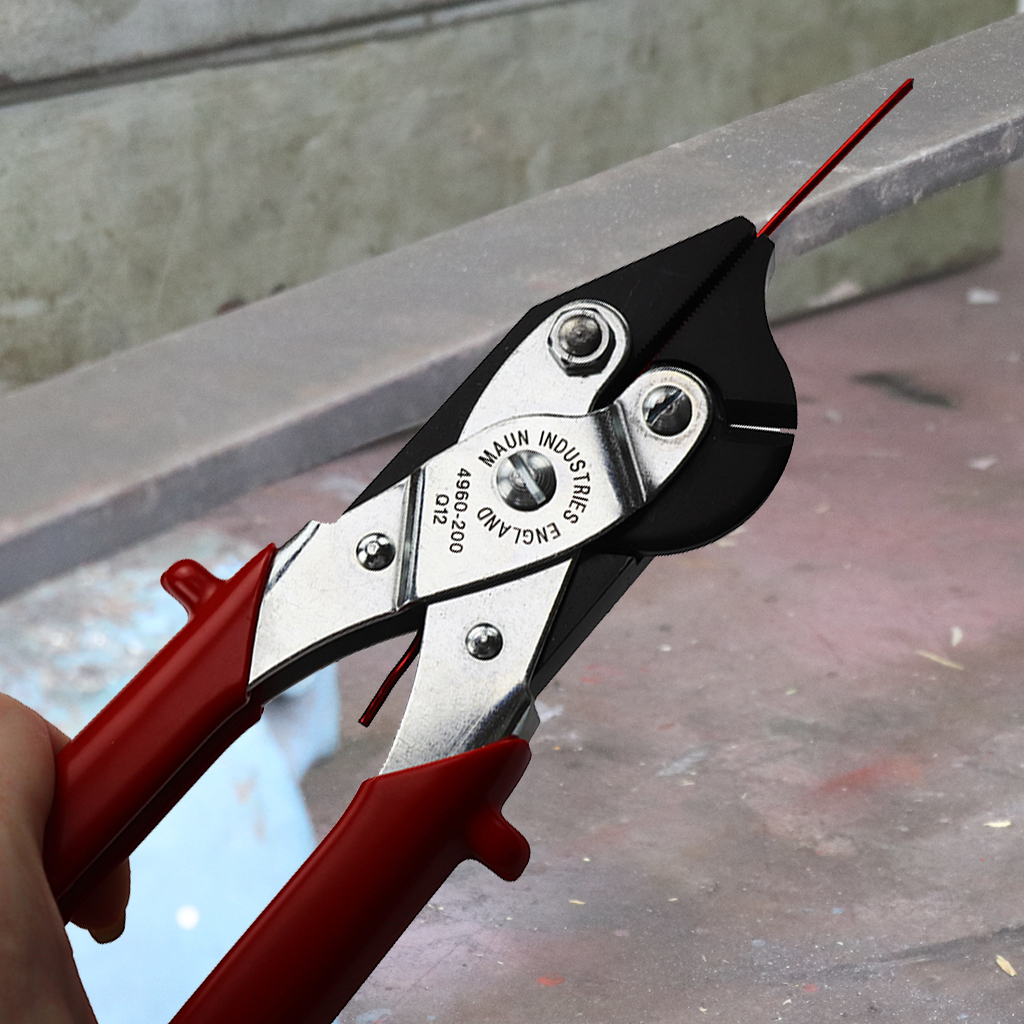
Our pick: Side Cutter Parallel Plier For Hard Wire Comfort Grips 200 mm
For first-fix mains work like running 4 mm² or 6 mm² cable, twisting earth strap and cutting stranded copper conductors, the 160 mm plier feels small. These 200 mm pliers cut hard wire up to 3.0 mm and soft copper conductors up to 6.0 mm. The cutting edges are hardened to HRC 62-65 so they keep their edge through long first-fix sessions.
Reasons to buy:
- HRC 62-65 induction-hardened cutting edges stay sharp through long first-fix shifts. Softer cutting edges dull quickly on hard wire.
- Compound-lever action multiplies hand force by 25x, for one-hand cutting of 3.0 mm hard wire.
- Cuts piano wire up to 2.5 mm, hard wire up to 3.0 mm and soft wire up to 6.0 mm.
- 40 mm useable jaw length and 17 mm jaw opening for larger fastenings and thicker cable.
- Parallel jaws give a vice-like grip on hard wire and fastenings, so they don't twist out of the jaws under pressure.
- V-slot along one jaw lets you feed cable down the full length for straightening and de-kinking on stiffer material.
- Soft plastic comfort grips reduce hand strain during all-day first-fix work.
Ideal for: First-fix electricians, mains installers, mechanical engineers, manufacturers handling hard wire and springs.
Best Combination Parallel Pliers for Tight Spaces and Deep-Recess Work
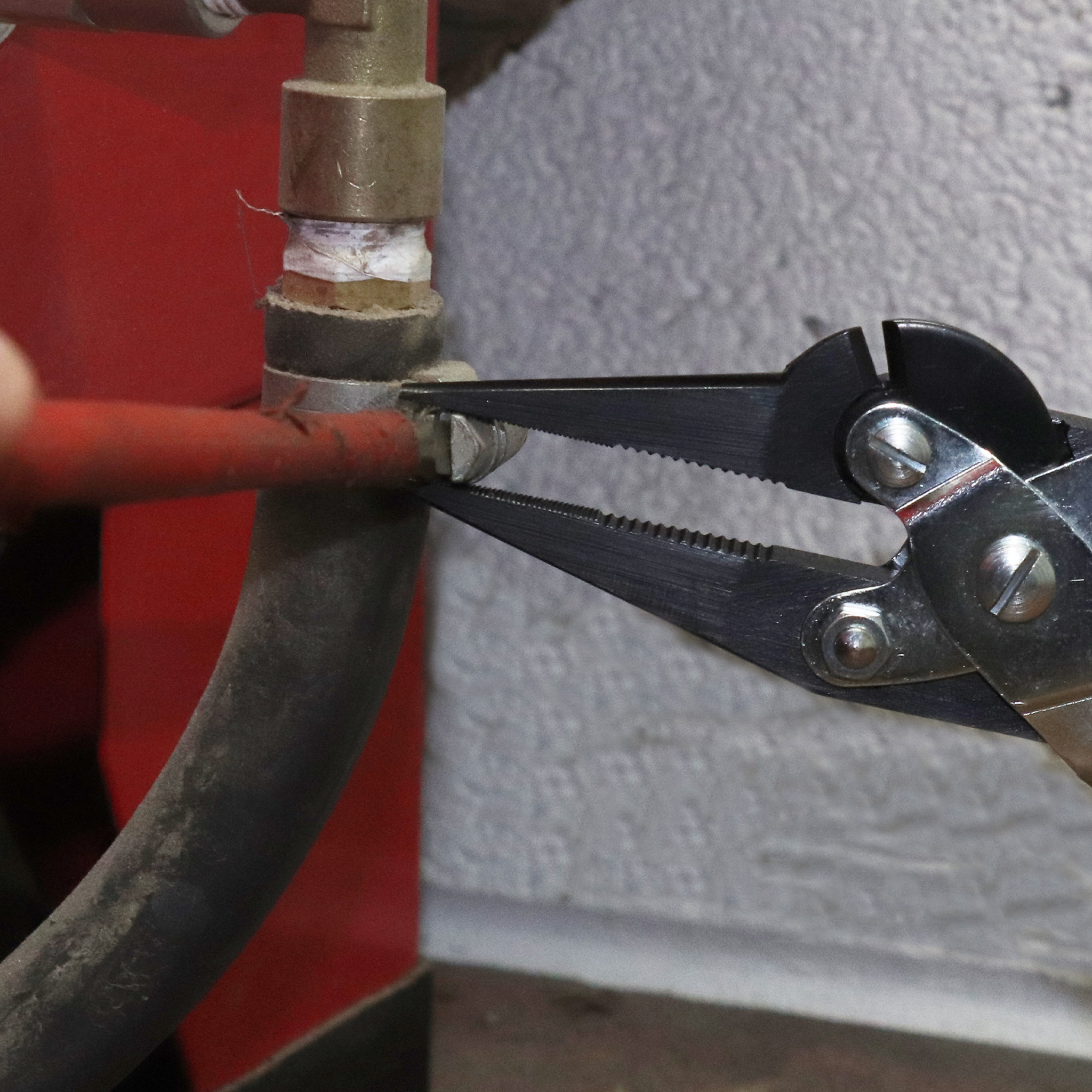
Our pick: Long Nose Side Cutter Parallel Plier Return Spring 160 mm
When you need to reach into a cramped consumer unit, a wiring loom or the back of an instrument panel, full-size combination pliers won't fit. The long-tapered jaws on this 160 mm plier reach down to a 3.0 mm by 1.5 mm tip with full parallel contact, and the side-mounted cutter keeps the jaw face free for gripping right up to where you're working.
Reasons to buy:
- 50 mm useable jaw length tapers to a 3.0 mm by 1.5 mm tip for clear sightlines and access in confined enclosures.
- Parallel jaws close without splaying outward, so the tool fits into tighter spaces than a scissor-action plier.
- Side-mounted compound-lever cutter multiplies hand force by 25x and keeps the full jaw length free for gripping and bending.
- Case-hardened jaws and blades (HRC 57) cut piano wire up to 1.6 mm and hard wire up to 2.0 mm.
- Long-lasting return spring resets the jaws for faster repetitive work in awkward positions.
- Compact 160 mm overall length gives you control in tight spaces with enough cutting force for most jobs.
Ideal for: Electricians wiring consumer units and back boxes, automotive technicians on harness and loom work, electronics assemblers, model builders, instrument repair technicians.
Best Combination Parallel Pliers for Jewellery Making and Soft Wire
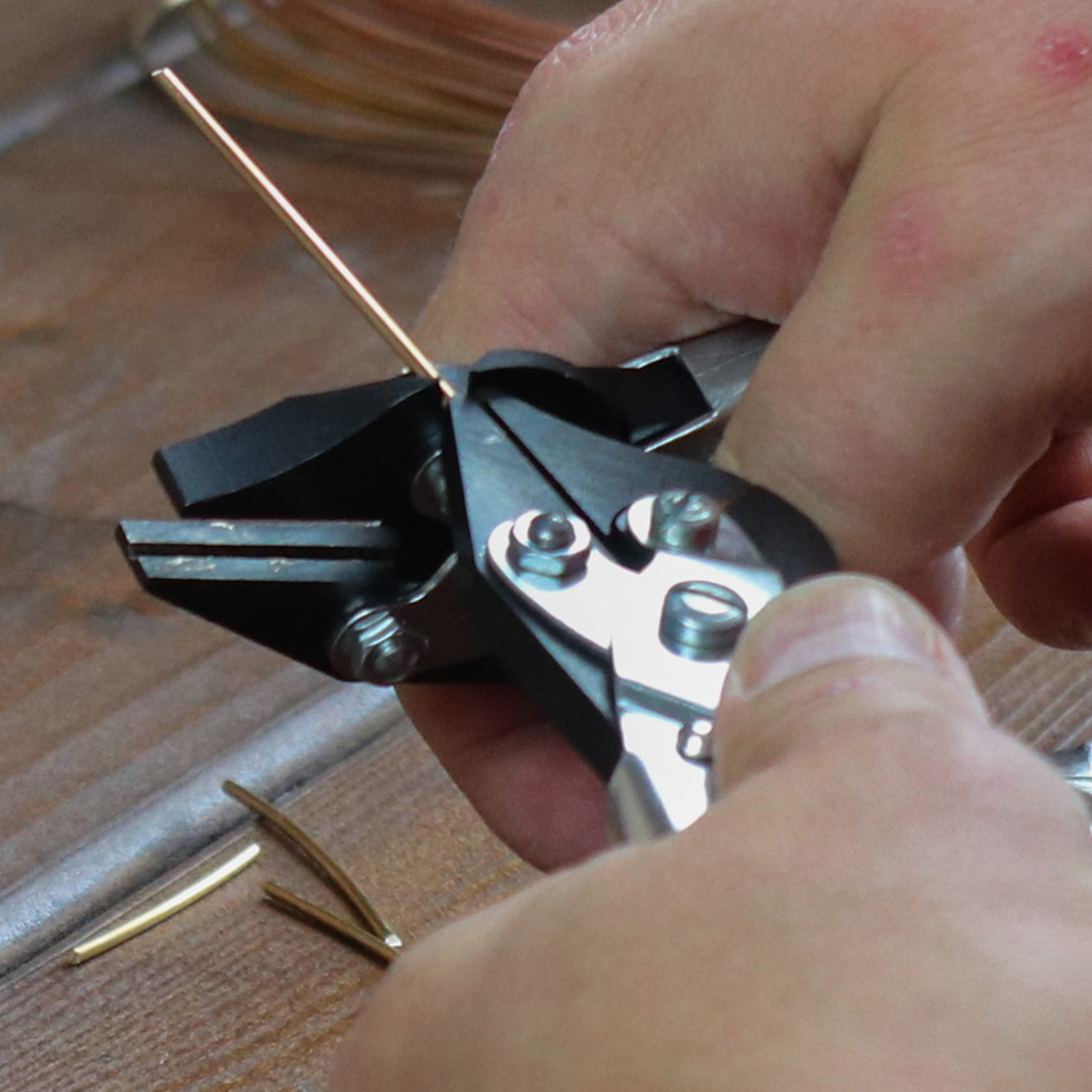
Our pick: Smooth Jaws Semi-Flush Cut Side Cutter Parallel Plier For Soft Wire 125 mm
When you're working with sterling silver, fine copper, gold or gilding wire, serrated jaws will mark every piece they touch, and a standard cutter pinches the wire end into a point. This plier was developed with the Birmingham School of Jewellery for exactly that problem. The smooth parallel jaws grip evenly without marking, and the semi-flush cutter gives you a near-flat wire end straight off the tool.
Reasons to buy:
- Smooth (non-serrated) parallel jaws grip evenly along the full jaw length without marking soft, precious metals.
- Semi-flush cutter reduces the pinch at the wire end, leaving a cleaner finish for jump rings, chain links and earring posts.
- Compact 125 mm size gives you the fine control needed for chain maille, wire wrapping and beading.
- Cuts gilding wire and soft jewellery wire up to 1.6 mm cleanly.
- V-slot in one jaw feeds wire down the full length for accurate straightening and kink removal.
- Compound-lever action multiplies hand force by 23x, so each cut takes minimal effort even on a long bench session.
Ideal for: Jewellery makers (professional and hobbyist), silversmiths, goldsmiths, wire-wrap artists, beaders, electronics technicians working with fine soft wire.
Best Combination Parallel Pliers for Fencing and Agricultural Wire
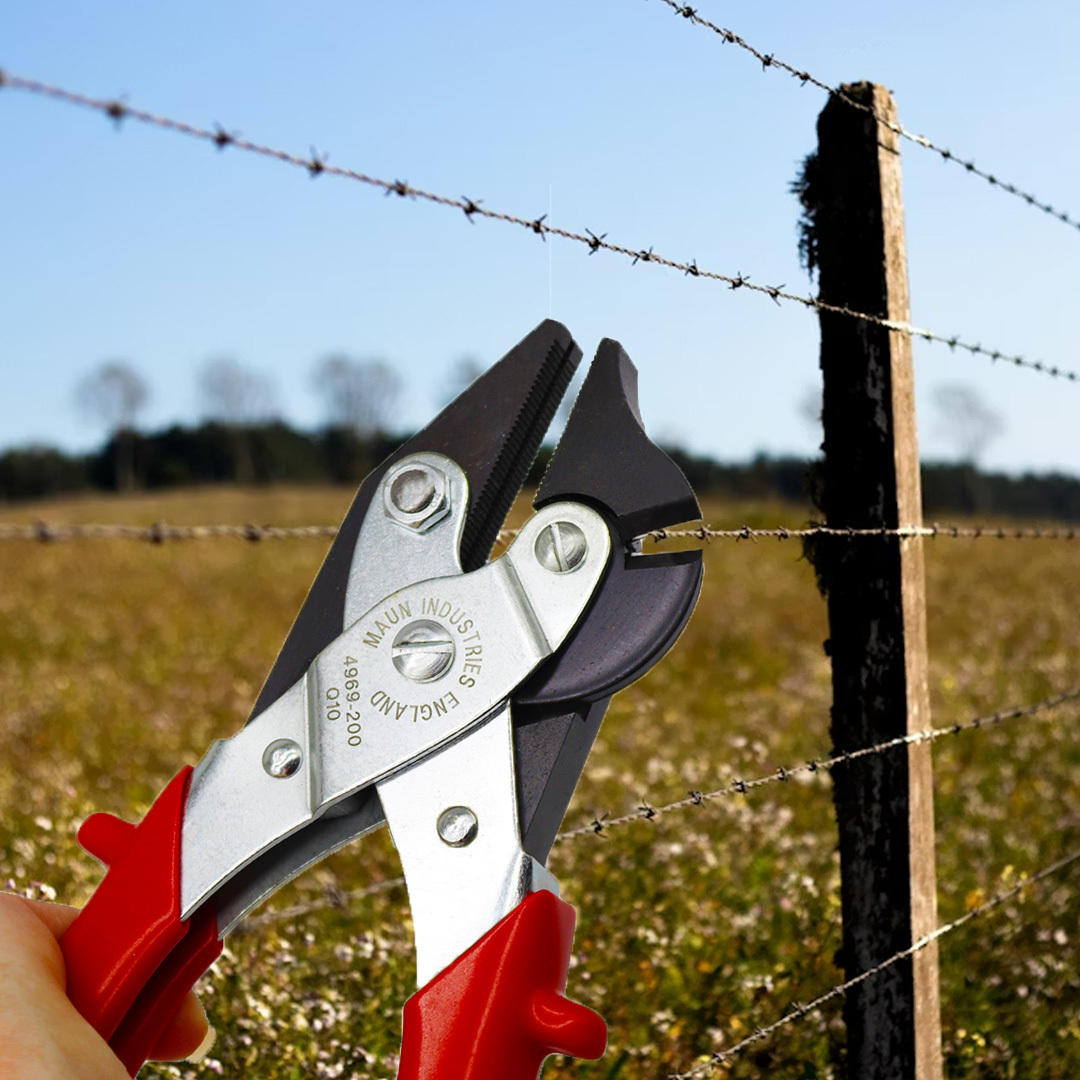
Our pick: Fencing Plier Comfort Grips 200 mm
High tensile electric fencing wire will dull a standard combination plier in a single fence run, and when you're halfway across a field you need one tool that grips, bends, tensions and cuts. The 200 mm fencing plier runs the same heavy-duty cutter as the 200 mm side cutter, tuned for outdoor wire-repair work.
Reasons to buy:
- HRC 62-65 hardened cutting edges handle high tensile wire across a full fence run without blunting.
- Compound-lever action multiplies hand force by 25x, for one-hand cutting of 3.0 mm hard wire even in field conditions.
- Handles piano wire up to 2.5 mm, hard wire up to 3.0 mm and soft wire up to 6.0 mm, covering the gauges used across livestock and stock-proof fencing.
- V-slot serrated jaws lock wire in place so it doesn't slip when you're tensioning a strain or twisting a stop.
- 40 mm useable jaw length on the 200 mm tool gives you the reach and force you need for heavy repair work.
- Soft plastic comfort grips reduce fatigue during all-day outdoor work in cold and wet conditions.
- Rust-resistant zinc-plated steel under the grips handles exposure when the plier lives in the truck.
Ideal for: Livestock farmers, fencing contractors, estate managers, agricultural maintenance teams, utility workers on outdoor wire.
Best Combination Parallel Pliers for Dental, Orthodontic and Sterilisable Environments
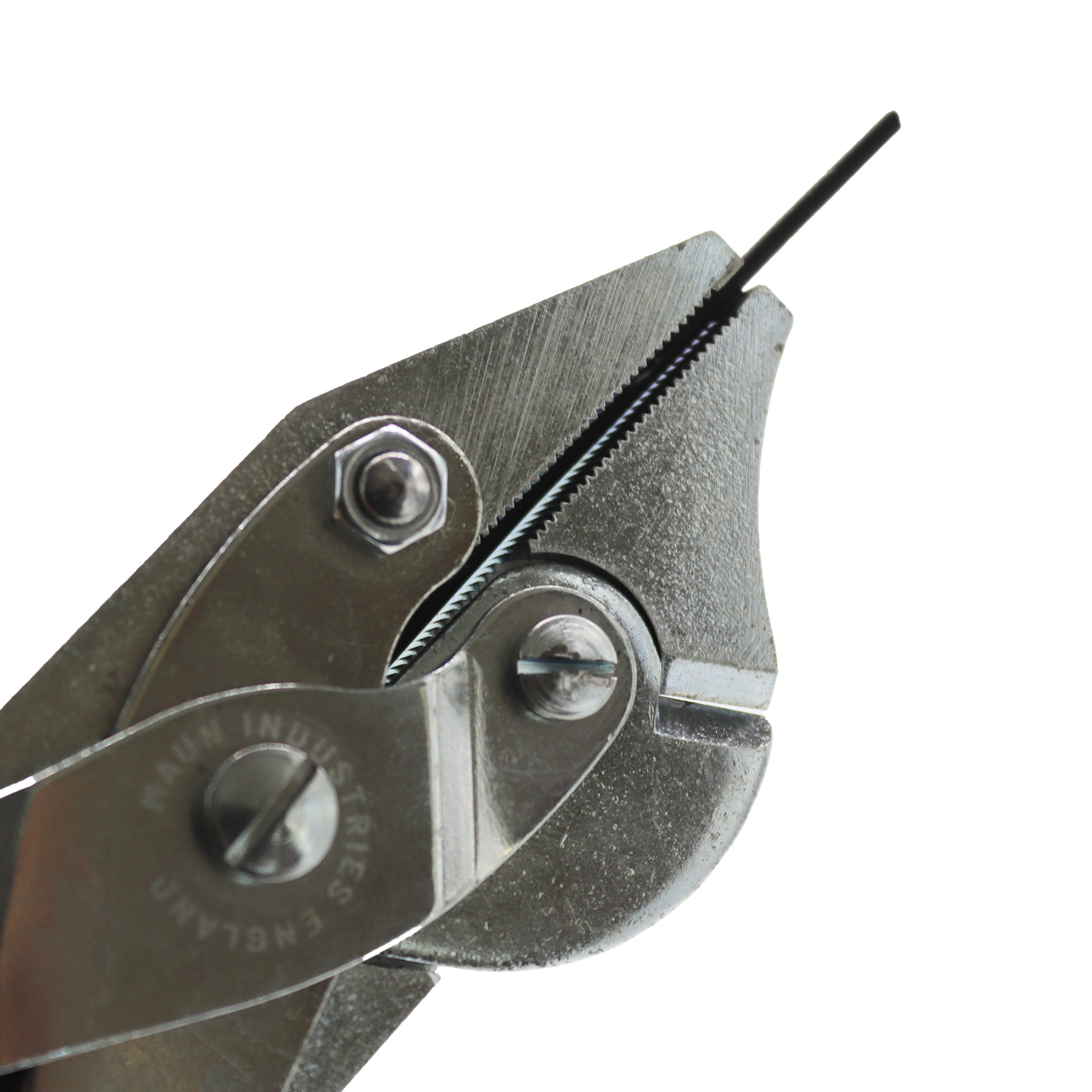
Our pick: Side Cutter Parallel Plier Autoclave Safe 160 mm
Standard zinc-plated handles discolour when you put them through an autoclave, and a plier that won't sterilise has no place in a chairside tray. This 160 mm autoclave-safe variant runs the same parallel jaws and compound-lever cutter as the standard side-cutter plier, with a zinc-plated finish that survives repeated sterilisation cycles.
Reasons to buy:
- Zinc-plated finish survives repeated autoclave cycles without discolouring (dry thoroughly after sterilising for best results).
- Parallel-action serrated jaws grip orthodontic wire and thin surgical bone pins evenly along the full 34 mm jaw length.
- Case-hardened jaws and blades (HRC 57) cut hard wire up to 2.5 mm cleanly through repeated cycles.
- Compound-lever action multiplies hand force by 23x for minimal effort on long chairside sessions.
- V-slot feeds and holds wire for accurate bending of arch wires and ligature work.
- Conforms to BS 3087-7:1996 and ISO 5747:1995, the British and ISO performance standards for hand cutting pliers.
Ideal for: Orthodontists, dental technicians, oral and maxillofacial surgeons, dental lab technicians working with bone pins and arch wires.
How To Choose The Right Combination Parallel Plier
The picks above cover the main use cases, but the underlying choice comes down to three things: the jaw type, the size and whether you want a return spring or insulated handles.
Match the jaw type to the material
- Serrated jaws with V-slot grip hard wire, square fastenings and steel rod without slipping. The right choice for electrical, fencing and general engineering work.
- Smooth parallel jaws grip soft, precious metals without marking. The right choice for jewellery, polished fittings and any finished surface you can't risk denting.
- Integrated pipe grip (on the combination plier range) handles round pipe, conduit and threaded fittings as well as wire. The right choice if your job switches between tube and cable on the same circuit.
Match the size to the task
- 125 mm gives maximum control for jewellery, model work and electronics where precision matters more than cutting force.
- 140 mm sits between precision and general use, useful in dental and orthodontic contexts where chairside access is tight.
- 150 mm and 160 mm are the all-rounders for second-fix electrical, maintenance and general workshop use. Start here if unsure.
- 180 mm and 200 mm give the most cutting force for thick cable, fencing wire and first-fix work. The 200 mm models step up to HRC 62-65 cutting edges that the smaller sizes don't carry.
Decide on variants
- Return spring is worth it for repetitive cutting and stripping. It opens the jaws automatically between cuts, so each cycle is one motion not two.
- Comfort grips reduce hand fatigue on long sessions. Zinc-plated steel handles are the cheaper alternative and grip well in wet conditions, so they suit outdoor work where PVC grips might slip.
- Insulated handles are mandatory for live electrical work and only count when certified to IEC 60900:2018 with the double-triangle 1000V symbol hard-marked into the tool. Rubber-coated handles without that certification offer comfort, not protection.
Our Verdict
Maun's recommendation: if you only buy one combination parallel plier and your work is mostly second-fix, junction-box and consumer-unit wiring, the 160 mm return-spring comfort-grip side cutter is the all-rounder. If any circuit could be live, Maun would step you up to the 1000V insulated version of the same model. If your work covers heavier gauges or fencing, selecting Maun's 200 mm side cutter with HRC 62-65 cutting edges is the best move.
Full Maun combination parallel pliers range Whatever the job, every pick above is in the range, manufactured in Nottinghamshire, England and backed by Maun's 12-month warranty (extendable to 24 months by registering your purchase).
Frequently Asked Questions
What is the difference between combination pliers and combination parallel pliers?
Standard combination pliers pivot on a single pin, so the jaws splay outward as they close and force concentrates at one point near the tips. Combination parallel pliers use a compound box joint that keeps the jaws parallel through their full movement, distributing pressure evenly along the whole jaw length. The result is a firmer grip, less slipping on fastenings and wire, and no marking on round or finished surfaces.
Can combination parallel pliers cut hard wire?
Yes. The side-mounted compound-lever cutter handles hard wire up to 2.5 mm on the 160 mm models and up to 3.0 mm on the 200 mm models, with piano wire capacity of 2.0 mm and 2.5 mm respectively. The 200 mm models step up to HRC 62-65 cutting edges, which sit near the top of what hand-tool steel can deliver and survive heavy-gauge work without dulling.
Do I need insulated combination parallel pliers if my circuit is dead?
If you've isolated the circuit and proved it dead, a standard combination parallel plier is fine. The risk is misjudging which circuit you've isolated, or a circuit becoming live again unexpectedly. For consumer-unit work, second-fix and anything where another trade might re-energise a circuit while you're working, insulated to IEC 60900:2018 is the safer default. Insulated handles cost more once and protect every job after.
What does HRC mean on a combination plier?
HRC is the Rockwell C hardness scale for steel. HRC 57 is our standard for case-hardened parallel jaws and blades, hard enough to handle hard wire and steel fastenings without deforming. HRC 62-65 is what we specify on the 200 mm cutting edges where the work is heavier. Below HRC 55, the edges roll and dull quickly on hard wire; above HRC 65 the steel becomes brittle and chips. HRC 62-65 sits at the top end of what hand-tool steel can deliver.
Is one combination parallel plier enough for every job?
You can try, but each job will go slower than it needs to. Serrated jaws mark jewellery wire. Smooth jaws slip on square steel. A 160 mm tool can't deliver the cutting force you need on 6 mm soft cable, and a 200 mm tool won't fit inside a back box. Matching the plier to the task saves time on the job and saves your hand strength for the next one.
Final Summary
Those are our top picks for combination parallel pliers across the Maun range.
If you have any feedback or improvements you'd recommend for this post, we'd love to hear from you.
This post was brought to you by Maun, experts in tools since 1944.
Scroll back up to re-read any key points, browse our related pages below or contact us with any questions: