


Are parallel pliers hard to use and do they slow you down?
13th Oct 2026
Parallel pliers look different from ordinary pliers, and that puts some people off.
The jaws, the box joint, the way the handles move: it can all feel unfamiliar when you first pick a pair up, and the worry is that they'll be fiddly to work with or slow you down.
At Maun we have made parallel pliers in Nottinghamshire since 1944, and we hear both worries from people picking up their first pair.
Parallel pliers are no harder to use than the pliers you already own, and for most bench and workshop jobs they do not slow you down. The action feels different at first, and the box joint adds a marginal amount of weight over a basic plier. In return, the jaws grip evenly along their whole length, so you get fewer slips, fewer re-grips and less damaged work – which makes you more efficient over time.
How parallel pliers grip differently from ordinary pliers
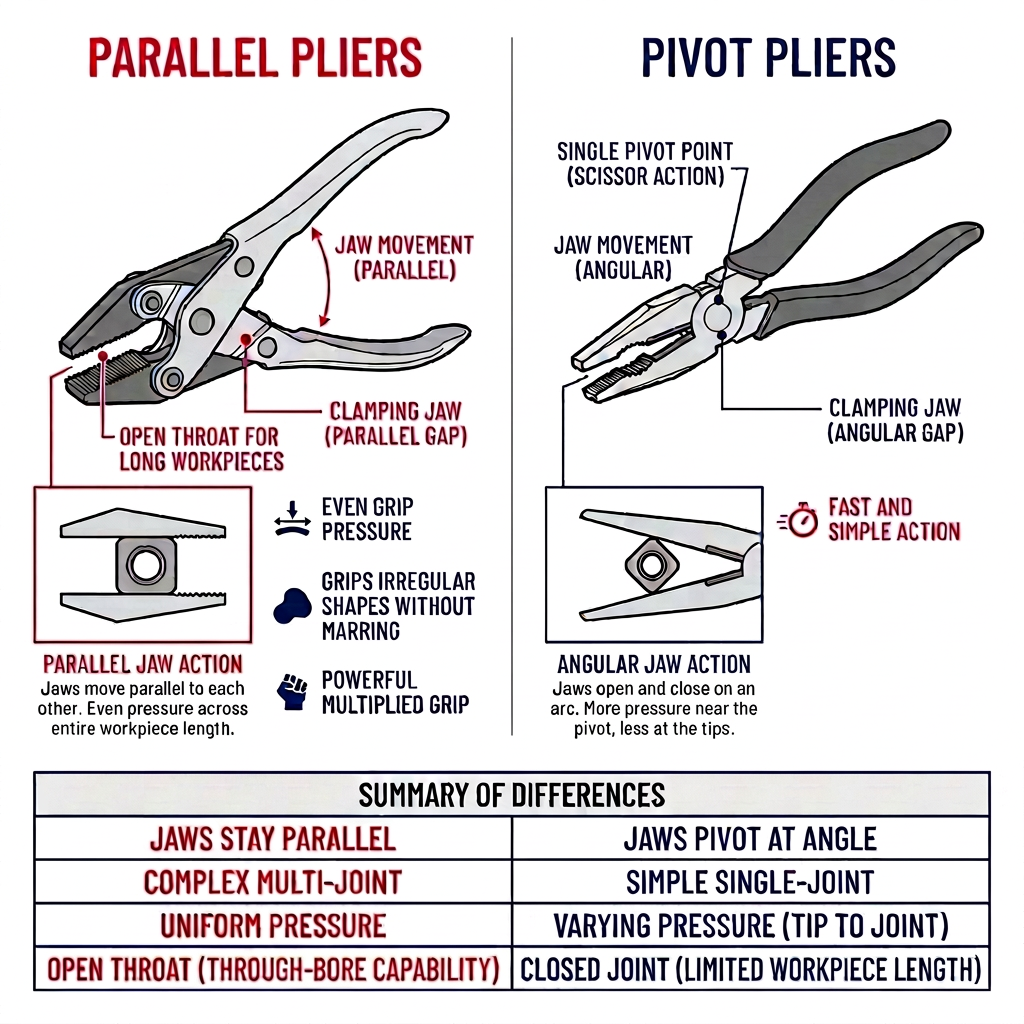
The main difference between parallel pliers and ordinary pliers is where the grip touches your workpiece.
- Parallel pliers grip with even pressure along the whole length of both jaws, from the joint to the tip, every time you close them.
- Ordinary pliers grip hardest next to the pivot and least at the tip.
An ordinary plier pivots on a single pin, like a pair of scissors. The jaws close at an angle, so they grip hardest near the pin and barely at the tips. Small parts rock in the jaws because of it, wire slips and fasteners get chewed. That one-spot grip is a feature of the single pivot, not of pliers in general.
Parallel pliers use a box joint, which keeps both jaw faces flat and parallel to each other as they open and close. This is the parallel-action mechanism, so called because the jaws always move in parallel rather than pivoting. Because the jaws stay aligned from fully open to fully shut, the pressure is spread evenly across the whole jaw surface. There are no pinch points along the jaw and no force concentration where you don't want it. For example, on the Maun Flat Nose Parallel Plier 140 mm you get a usable jaw length of 28 mm, all of it for gripping vs a fraction of that when using normal pliers.
Because the jaws clamp together in parallel, they give you more grip for less effort:
- More contact means more grip. Parallel-action jaws give you a larger area of contact with your workpiece. The result is greater friction, for more grip, together with less risk of damaging the workpiece at the point of contact. You don't have to try as hard to get a firm hold, and you're less likely to mark more fragile materials.
- Even pressure means less effort. Parallel jaws give you much better grip than traditional scissor-type pliers, so you get extra purchase with less effort. Less squeezing effort means your hand stays more relaxed, so you keep your dexterity and hold the workpiece more accurately.
For the full details on how parallel-action works, read our guide.
Are parallel pliers hard to use?
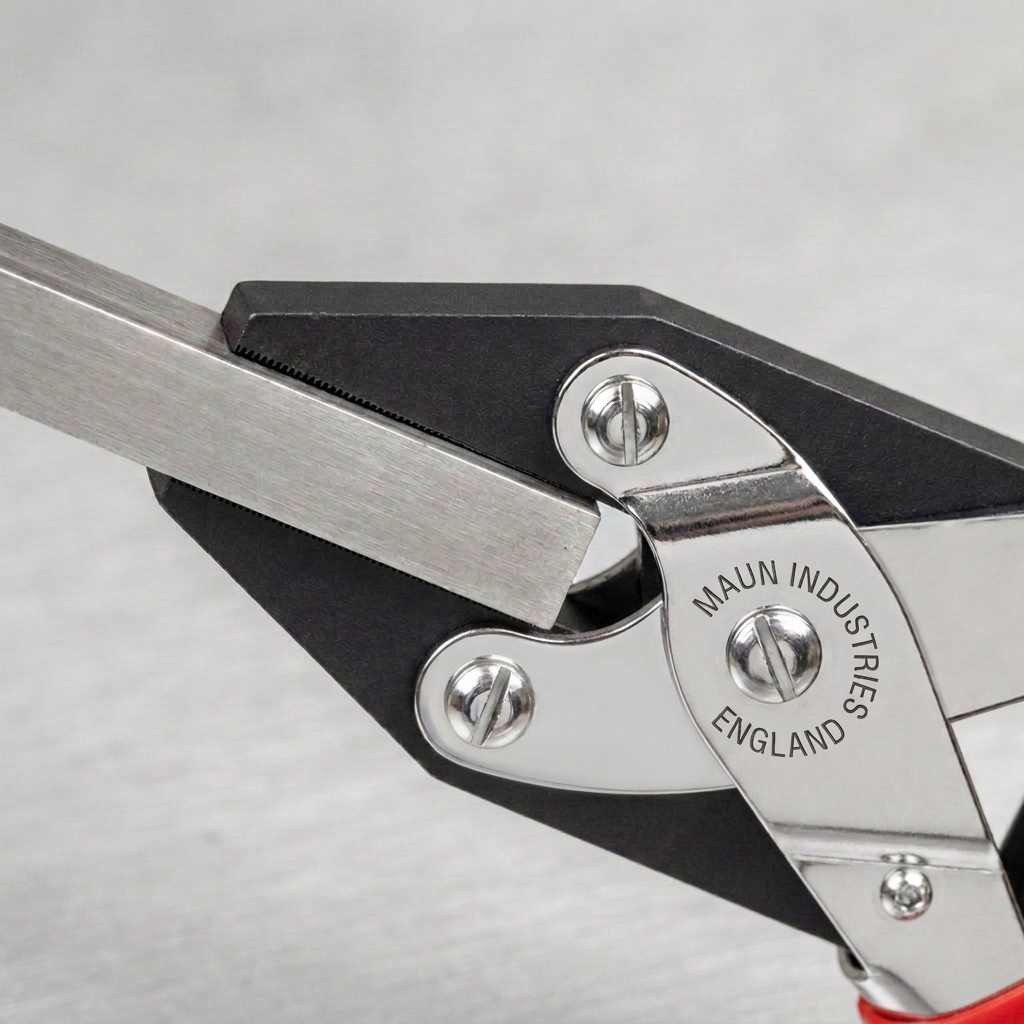
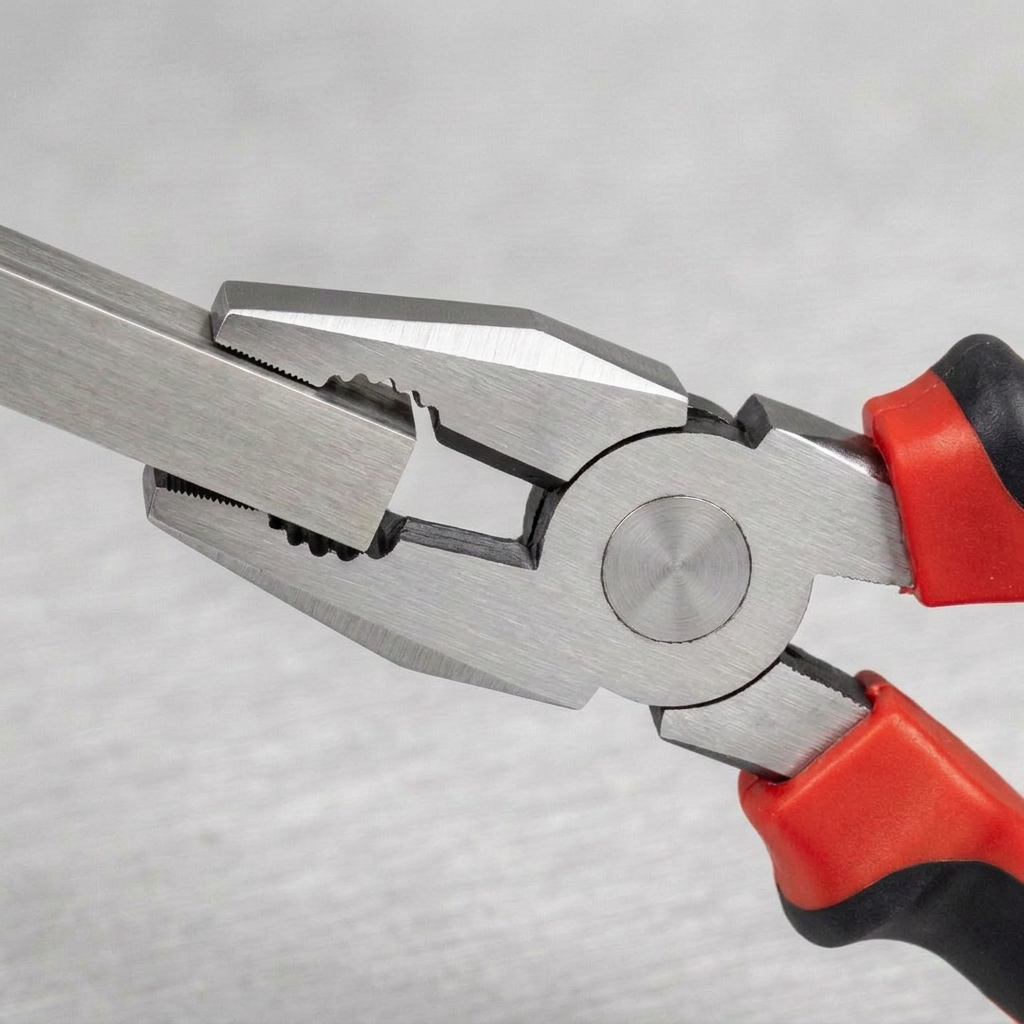
Parallel pliers are not harder to use than ordinary pliers. The common misconception that they take getting used to comes from people’s initial impressions when they first pick them up: the handles and jaws move differently from a pivot plier (it is a different action), but it’s actually easier to use after a little practice, and the mechanism is designed to take less effort when gripping.
You hold the pliers the same way and close them the same way. The difference is in what the jaws do: they stay flat and parallel as they open and close instead of pivoting. Most people stop noticing within a few minutes.
In our experience, they are also the easier tool to learn on. A pivot plier gives a different result depending on where the piece sits in the jaws and how hard each person squeezes – creating inconsistencies when working.
Whereas a parallel plier does the same thing every time, so two people get the same bend from the same action and correct technique settles quickly. Beginners get a firm hold wherever they place the work: our mini parallel pliers, for example, grip evenly across the full 30 mm jaw length regardless of where your workpiece sits.
The honest adjustment is weight. The box joint adds a marginal amount over a basic plier, but it is relatively insignificant: the Canadian Centre for Occupational Health and Safety puts the ceiling for a precision hand tool at 0.4 kg, and every model in our mini plier range measures 125 mm and weighs under 100 g. You rarely need the jaws fully open either, because they grip along their whole length rather than at one point near the pivot, so you need less handle clearance to work a piece than you might expect.
If you would rather the plier opened itself between grips, the return-spring models such as the Maun Flat Nose Parallel Plier Return Spring 140 mm push the handles back open as you release them, so your fingers never have to spread the handles – perfect for repetitive work.
Do parallel pliers slow you down?
Parallel pliers do not slow you down over a whole job. The common view that they are slower to open and close describes a parallel plier without a return spring, which you spread open by hand between grips, and it describes the marginal amount of extra weight in the box joint.
But the even parallel-action grip removes the constant re-grips and the rework/mistakes from traditional pivot-action pliers that cost time, making them faster/more efficient over the whole project.
Each design wins in a different place:
- Parallel pliers win when the piece has to stay put. For work where grip matters more than speed, parallel pliers save you time over the whole job. The even, non-slip grip means you aren't constantly re-seating your workpiece. You don't mark a piece of metal and then have to polish out the damage or start again. Less spoiled work means less rework and a faster job overall.
- A basic pivot plier wins on a one-off grab where the finish doesn't matter. It is lighter, it costs less and, if it is already in your hand, it will pull a staple or tighten a loose fitting as well as anything.
The fatigue difference matters over a long session too. Because parallel-action jaws spread force evenly across your workpiece, you waste less effort fighting a rocking grip or squeezing harder to compensate for a slip than you do with pivot-action pliers.
Over an afternoon of wire work, a batch of jump rings or a run of fastener removals, your hands tire less and you keep your accuracy for longer with parallel action. The Canadian Centre for Occupational Health and Safety advises to reduce excessive gripping force or pressure when choosing hand tools, and to cut down repetitive finger movements; the guidance is written for trades, but it applies to anyone doing the same repetitive work at a bench or in a workshop.
Hand strain is also common enough to show up in national figures: the UK Health and Safety Executive's 2024/25 statistics record 511,000 UK workers with a work-related musculoskeletal disorder and 40.1 million working days lost to work-related illness and injury.
A pivot plier opens slightly faster in the hand; a parallel plier holds the piece square without slipping. Where the parallel pliers suit the task, they are faster to work with, not slower.
Where parallel pliers save you time
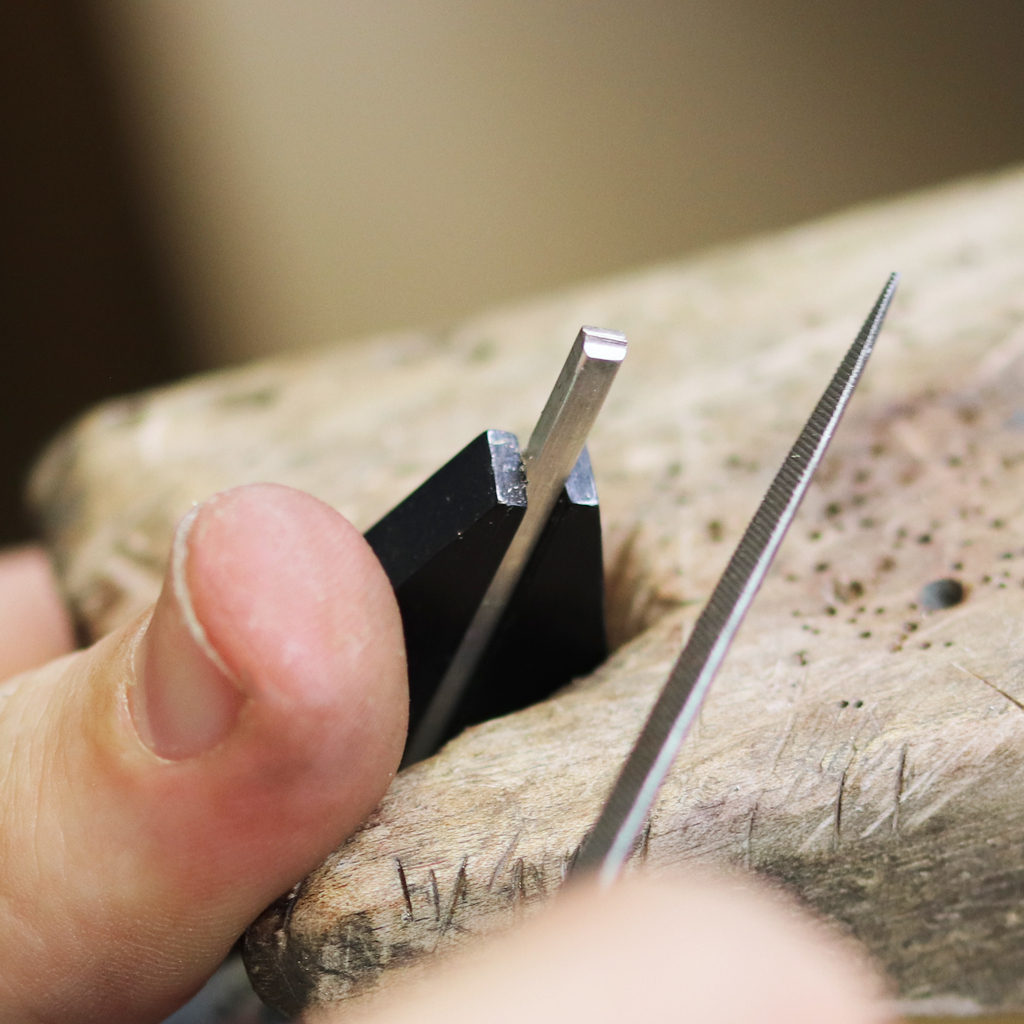
Parallel pliers save you time when you need a secure, even, non-marking grip that holds workpieces steady, the kind of grip where the piece doesn't twist out or need re-gripping while you work on it. That includes holding flat and square work still, shaping wire to a clean bend and gripping worn or awkward fasteners.
Holding flat and square work steady
Flat parallel jaws hold flat stock, sheet and small components square and still, with no rocking and no digging in at a single point.
You can hold a component in place while you solder, glue, file or work on it with your other hand. The jaws hold the work steady, and you focus on the task.
The Maun Smooth Jaws Flat Nose Parallel Plier 140 mm is designed for exactly this kind of hold, with smooth jaws that grip the piece without scratching or marking it. Professional jeweller Piers Carpenter appreciated that "you can put metal all the way through the jaws," and when something is fiddly to hold, in his words, "whack them in these and file away."
Bending and shaping wire
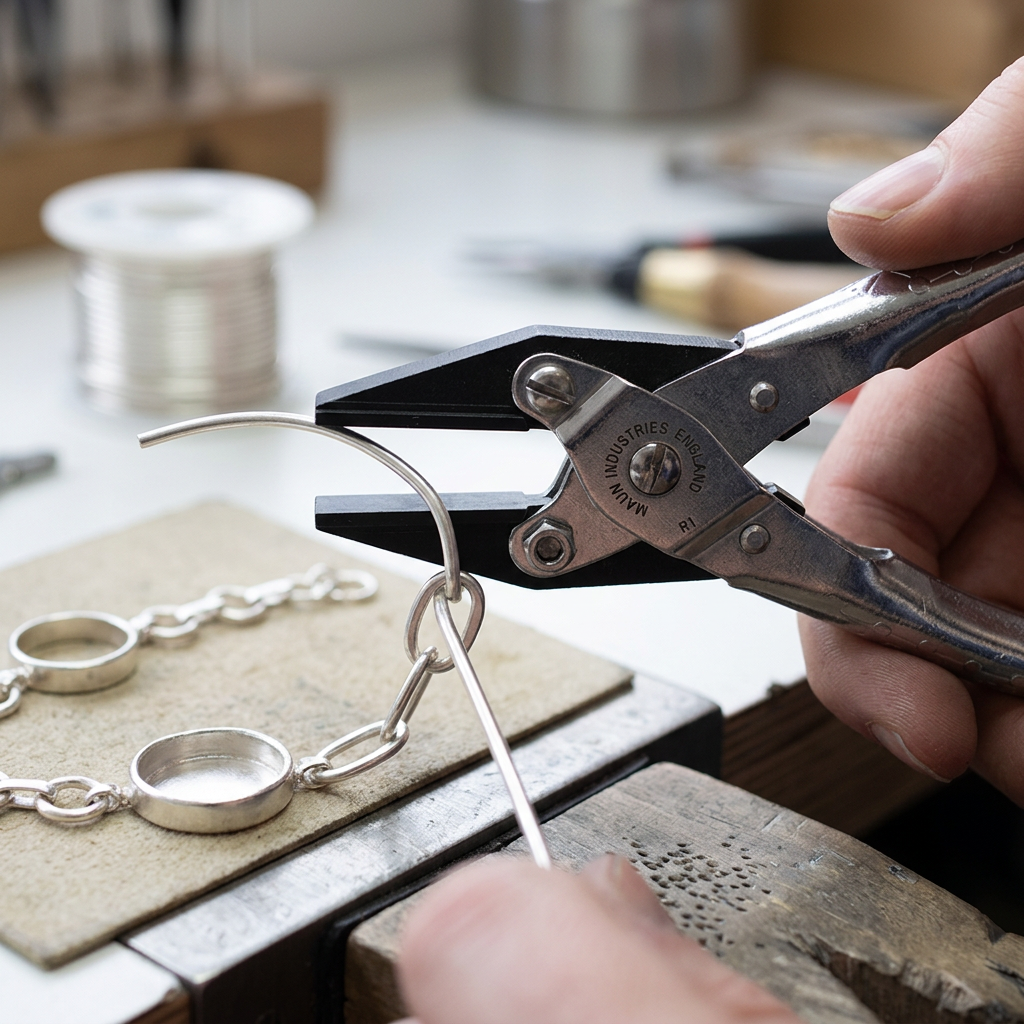
The parallel jaws grip the wire along its whole length, giving you clean, repeatable bends. You can straighten kinked wire in one pass, or bend a consistent right angle every time, because the jaws aren't pinching the wire at one point and twisting it as they close.
The Maun Half Round And Flat Jaws Parallel Plier 140 mm has a flat jaw and a curved jaw for these shaping tasks. Professional jeweller Piers Carpenter found the difference straightaway: "you are getting a grip along the whole metal," and "it's easy to bend at 90 degrees, whereas with the traditional ones you're only holding at the bottom."
For silver wire, copper or coated craft wire, the even contact also means less risk of marking. You get the accurate bend without marking the wire.
Gripping worn or awkward fasteners
The even pressure across the whole jaw that parallel-action provides grips worn, rounded or awkward fasteners more firmly than a single-pivot plier can. The parallel jaws give you a vice-like grip around the whole fastener instead of pinching at one spot, so they are less likely to slip off or chew the remaining flats. The Maun plier jaws are case-hardened to HRC 57 for durability and a long tool lifespan too.
A rusted bolt head, a rounded nut, a worn hexagonal fastening: the even grip gives you a better chance of turning it without making things worse.
If you need to cut wire as well as grip it, the Maun Side Cutter Parallel Plier For Hard Wire 200 mm combines the parallel-action grip with an integrated cutter that multiplies your hand force by 25 times, so you can grip and cut without swapping tools.
When to reach for ordinary pliers instead
Parallel pliers are not the right tool for every job. A lighter pivot plier is quicker for fast, repetitive one-handed gripping, and easier to use one-handed in a tight space. For most other jobs, there is a parallel plier built for the situation:
|
Your situation |
Pick |
|
A one-off light job where marking doesn't matter (pulling a nail, tightening a loose fitting) |
Ordinary pivot pliers, if that is what is in your hand |
|
Fast, repetitive one-handed gripping (pulling staples, stripping cable ends) |
Return spring parallel pliers |
|
Working one-handed in a very tight space |
Ordinary pivot pliers |
|
Holding flat or square work still, or bending wire to a clean right angle |
|
|
Loops and repeatable curves in wire |
|
|
Worn or rounded-off fasteners |
Flat Nose Parallel Pliers (square and hexagonal fastenings in a vice-like grip) |
|
Fine components, small hands or work away from the bench |
Mini Parallel Pliers (125 mm, under 100 g) |
|
Reaching into a back box, engine bay or crowded assembly |
Long Nose Parallel Pliers (usable jaw 50 mm on the 160 mm, 70 mm on the 200 mm) |
|
Live electrical work |
Insulated Parallel Pliers (tested to 10,000 V, rated for live work to 1000 V AC, 1500 V DC IEC 60900:2018) |
|
Gripping and cutting wire with one tool |
Side Cutter Parallel Pliers (the 200 mm cutter multiplies hand force by 25 times) |
For delicate loops and tight curves in wire, you do need round jaws, but they don't have to be ordinary pivot pliers. The Maun Round Jaws Parallel Plier range uses the same parallel action to hold the wire firmly at the spot you choose on the tapered jaws, so it can't slip or twist as you roll the loop.
If you're working with soft metals or finished surfaces, match your jaw type to the material. Serrated jaws will mark soft metal, so pick smooth or nylon jaws for anything where surface damage matters.
While we recommend you have both types of pliers in your toolbox, for work where grip, accuracy and a steady hold matter, we favour the parallel plier.
FAQs
Are parallel pliers worth it?
Parallel pliers cost more than a basic pivot plier, and they are worth it if you regularly do work that needs an even, secure, non-marking grip, or if you do repeat gripping over long sessions where hand fatigue and rework add up.
For an occasional light job (tightening a loose fitting, pulling a nail) a standard plier is enough. When you do regular precision work, wire forming or any task where control saves you redoing damaged pieces, parallel pliers pay back the difference.
Maun has made parallel pliers in England since 1944, and after more than 80 years, the parallel-jaw design is still our core mechanism. Our engineering team in Nottinghamshire averages 25 years of plier-making experience. Browse our full range of parallel pliers to discover the full range.
Can you bend wire with parallel pliers?
Flat parallel jaws give you clean, controlled bends in wire. You can bend right angles, straighten kinks and form consistent shapes because the jaws hold the wire along their whole length without twisting it.
For tight curves and loops, round nose pliers are still the better tool.
Which jaw type should you choose: smooth, serrated or nylon?
Smooth jaws
Smooth jaws give you a firm grip without scratching or damaging your workpiece. They suit jewellery work, model making and any job where the surface finish matters.
Serrated jaws
Serrated jaws offer the maximum grip you can get with parallel pliers. They suit tough or rounded work where grip matters more than surface protection, and the V-slot (a groove machined into one jaw) feeds and holds wire securely along the jaw length.
Nylon jaws
Nylon jaws protect soft or finished surfaces. They are for dead-soft wire, coated wire or coloured craft wire where even smooth steel jaws would leave a mark.
For exactly this reason, Maun designed the Maun Nylon Jaws Flat Nose Parallel Plier 140 mm with nylon jaw inserts that grip firmly without any metal-to-metal contact. Professional jeweller Piers Carpenter tested it and found "no mark on the piece that I'm working on." In his experience, "the metal part will always mark the metal you are working on," which is why the nylon variant exists for this kind of delicate work.
The deciding factor is the material you're gripping: smooth for finished surfaces, serrated for tough or rounded work and nylon for the softest or coated wire.
Can you get parallel pliers that lock shut?
Most parallel pliers do not lock shut, but a clamping model does. The Maun Clamping Parallel Plier With Plastic Jaw Inserts 160 mm has a locking thumb screw that clamps the jaws closed and holds the workpiece in place, leaving your hands free. The plastic jaw inserts stop it from marking fine wire, beading or pendants while it holds them.
With a standard parallel plier, the grip lasts as long as you hold the handles. If you want hands-free holding, the clamping model is the one to pick.
Final Summary
That's our complete debunking post about the myths of parallel pliers being hard to use or slow.
If you have any feedback or improvements you'd recommend for this post, we'd love to hear from you.
This post was brought to you by Maun, experts in tools since 1944.
Scroll back up to re-read any key points, browse our related pages below or contact us with any questions: