
What are Shear Bolts, Types & Uses
5th Mar 2026
Shear bolts are your safety fail-safe—they’re designed to break under stress, protecting equipment and preventing costly damage.
Here’s what you need to know about each type, how they work, and where to use them for maximum impact.
Shear Bolts Explained: The Role and Importance
A shear bolt is engineered to “fail” under specified levels of force, torque, or impact, creating a protective mechanism that absorbs stress before it reaches critical components.
- In a mechanical system, this controlled break helps to prevent costly damage to more valuable components.
- In high-security applications, specific shear bolts serve as tamper-proof fasteners by shearing off on installation, creating a smooth, non-removable head to secure sensitive installations (particularly when used with a security washer).
Take the example of a tractor’s power take-off (PTO) shaft - shear bolts protect the engine and transmission in the case of a blockage or immovable force.
If the attached equipment—like a rotary cutter or baler—encounters a sudden blockage (say, a rock or a large branch), the shear bolt will break before the load transfers to the tractor’s internal components. This break protects high-value parts from severe damage, keeping repair costs low and preventing extensive downtime.
Types of Shear Bolts & Their Uses
1. Torque-Controlled Shear Bolts
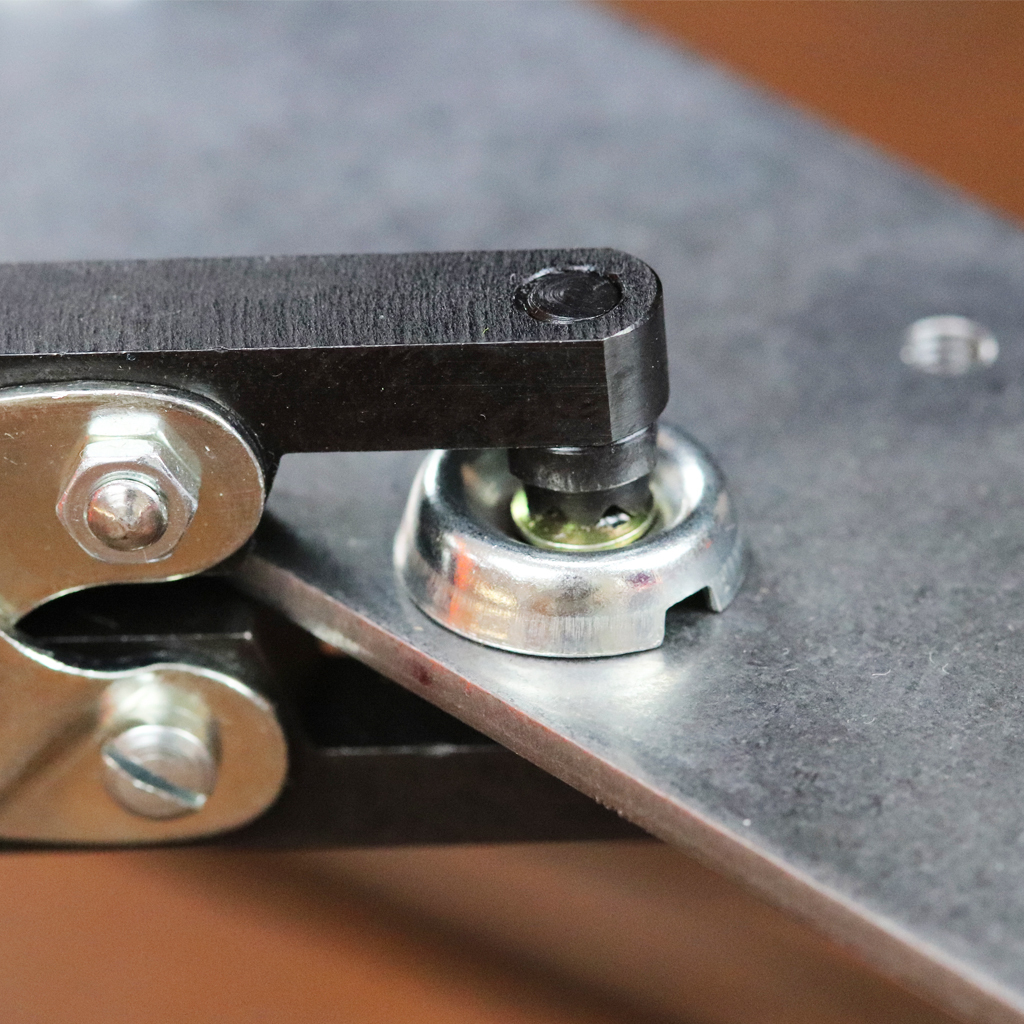
Torque-controlled bolts are crafted to shear at a precise torque level, ensuring even force distribution and preventing the issues caused by over-tightening.
These bolts are commonly used in aerospace and structural assembly, where deviations in torque can compromise the stability or safety of the connection.
- Function: Snaps under controlled torque on install, protecting systems from over-tightening and uneven force distribution, both important for maintaining structural integrity.
- Example Use: In large-scale structural projects, such as the assembly of steel frameworks for buildings or bridges, torque-controlled shear bolts ensure consistent and precise joint tightness across all girder connections. Over-tightening in these settings can lead to cracks, weakened joints or even structural distortions that compromise the strength of the entire framework.
2. Mechanical Fuse Bolts (Load, Impact, and Torque Release Combined)
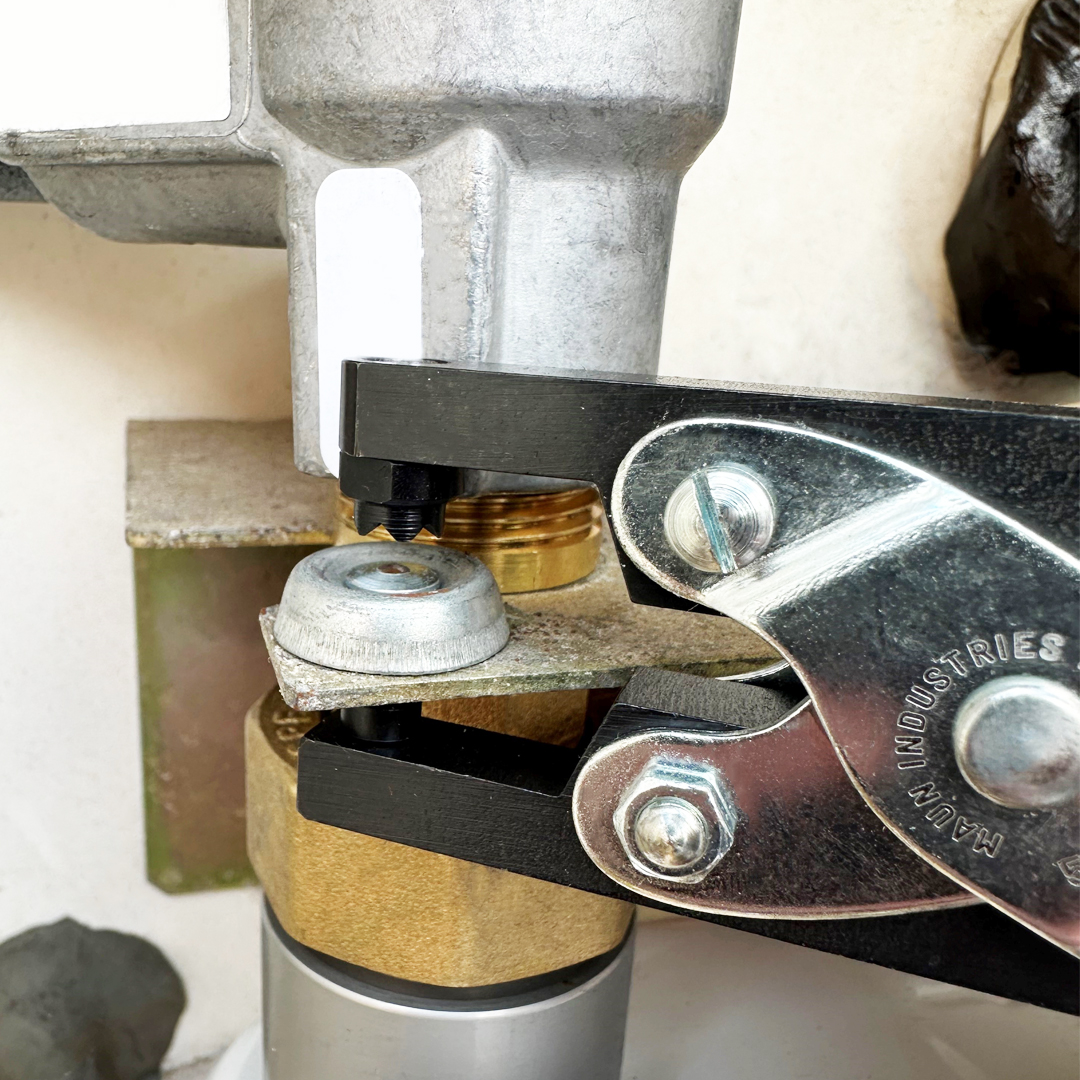
Mechanical fuse bolts serve as fail-safes against excess load, impact, or torque, acting as “mechanical fuses” in systems under high stress.
They are designed to break under high/unpredictable forces to protect more valuable parts of a machine.
These bolts are valuable in heavy machinery, agricultural equipment, and structural projects.
- Function: Mechanical fuse bolts shear at predetermined levels, preserving critical machinery parts in environments where unexpected stress is common.
- Installation/Replacement: You must replace mechanical fuse bolts immediately after shearing to keep the system’s fail-safe intact. Replacement bolts should meet original specifications precisely; even minor variations can disrupt balance and introduce stress points.
- Example use: On heavy-duty farm machinery, mechanical fuse bolts prevent engine damage by breaking if the equipment faces a sudden load, such as hitting a large rock. This sacrificial break preserves the drive shaft and transmission, reducing downtime and repair costs.
3. Security Shear Bolts
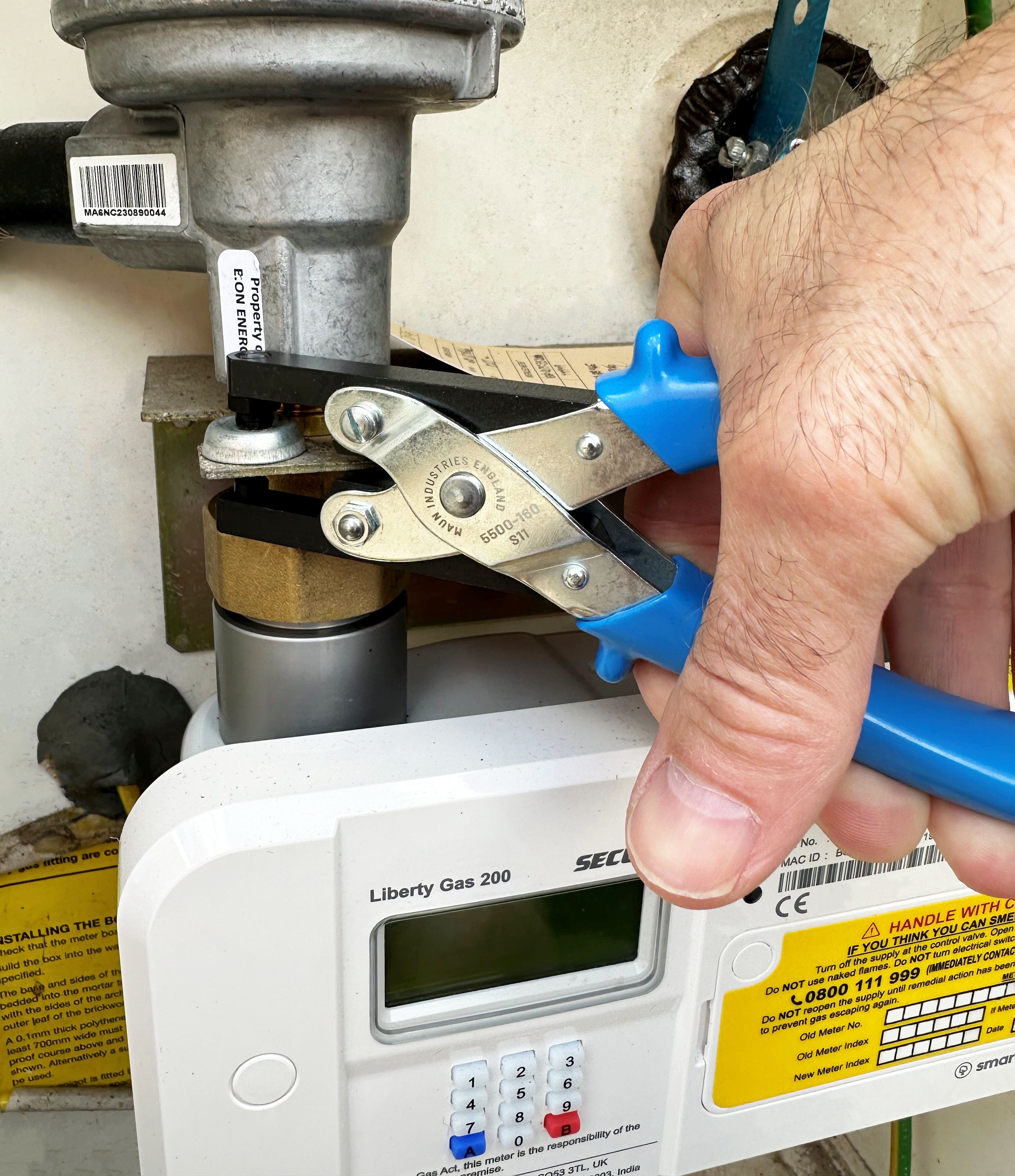
Security shear bolts are tamper-proof fasteners that ensure only authorised personnel can access components, or helps to flag if a system has been tampered with.
These bolts shear off during installation, leaving a smooth, non-removable head that prevents adjustments without specific tools or excessive damage.
These are perfect for high-security applications, such as gas meters, utility enclosures and public infrastructure.
- Function: Provides a tamper-resistant fastening solution, protecting critical installations from tampering or vandalism.
- Install Carefully: Since these bolts shear off on installation, double-check alignment and torque beforehand. Once sheared, repositioning requires a full replacement, so accurate installation saves both time and cost.
- Example use: In gas meter installations, security shear bolts prevent tampering, helping to eliminate theft of gas and catastrophic accidents that can result from interference with a gas meter. Once installed, the bolt’s head shears off, creating a non-removable surface that only licensed technicians can access, ensuring the meter remains secure and records accurate readings of gas usage.
- Removal: If you’re looking to remove a security shear bolt, Maun has developed a tool specifically to help remove them from gas meters (see it here).
Maintenance Tips
Proper installation and regular inspections are key to maximising the reliability of shear bolts. Each type has specific requirements for tools, technique and maintenance.
- Use Calibrated Tools for Precision: For torque-controlled bolts, calibrated torque wrenches are critical. Misapplied torque risks either premature shearing or uneven force, so recalibrate tools regularly for consistent accuracy.
- Inspect Regularly for Wear and Corrosion: In systems subject to frequent load or impact, check bolts for signs of wear or rust. Corrosion weakens bolts, leading to early failure and potential safety issues. This is particularly important for outdoor installations or machinery exposed to moisture.
- Install Security Bolts with Accuracy: For tamper-proof applications, verify placement and alignment before final tightening. Once a security bolt shears, any misalignment requires replacement, so precision during installation avoids unnecessary replacements.
Final Summary
That outlines the key differences in the types of shear bolts, alongside their typical use cases.
If you have any feedback or improvements you’d recommend for this post, we’d love to hear from you.
This post was brought to you by Maun, experts in tools since 1944.
Scroll back up to re-read any key points, browse our related pages below, or contact us with any questions: