

Long Nose vs Needle Nose Pliers
19th Dec 2025
The key difference between long nose and needle nose pliers is the jaw length and shape. Both have a longer jaw than conventional pliers, but needle nose pliers have a much longer, narrower jaw than long nose pliers.
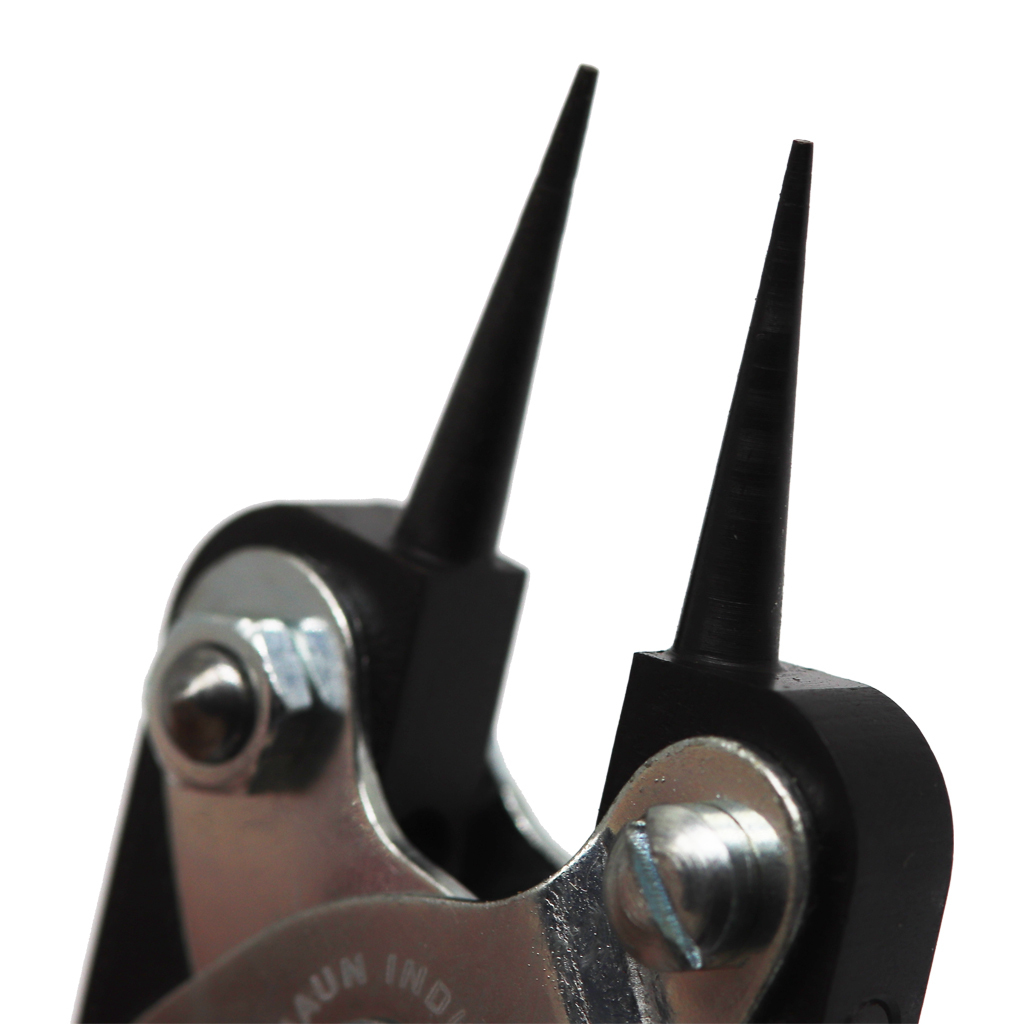
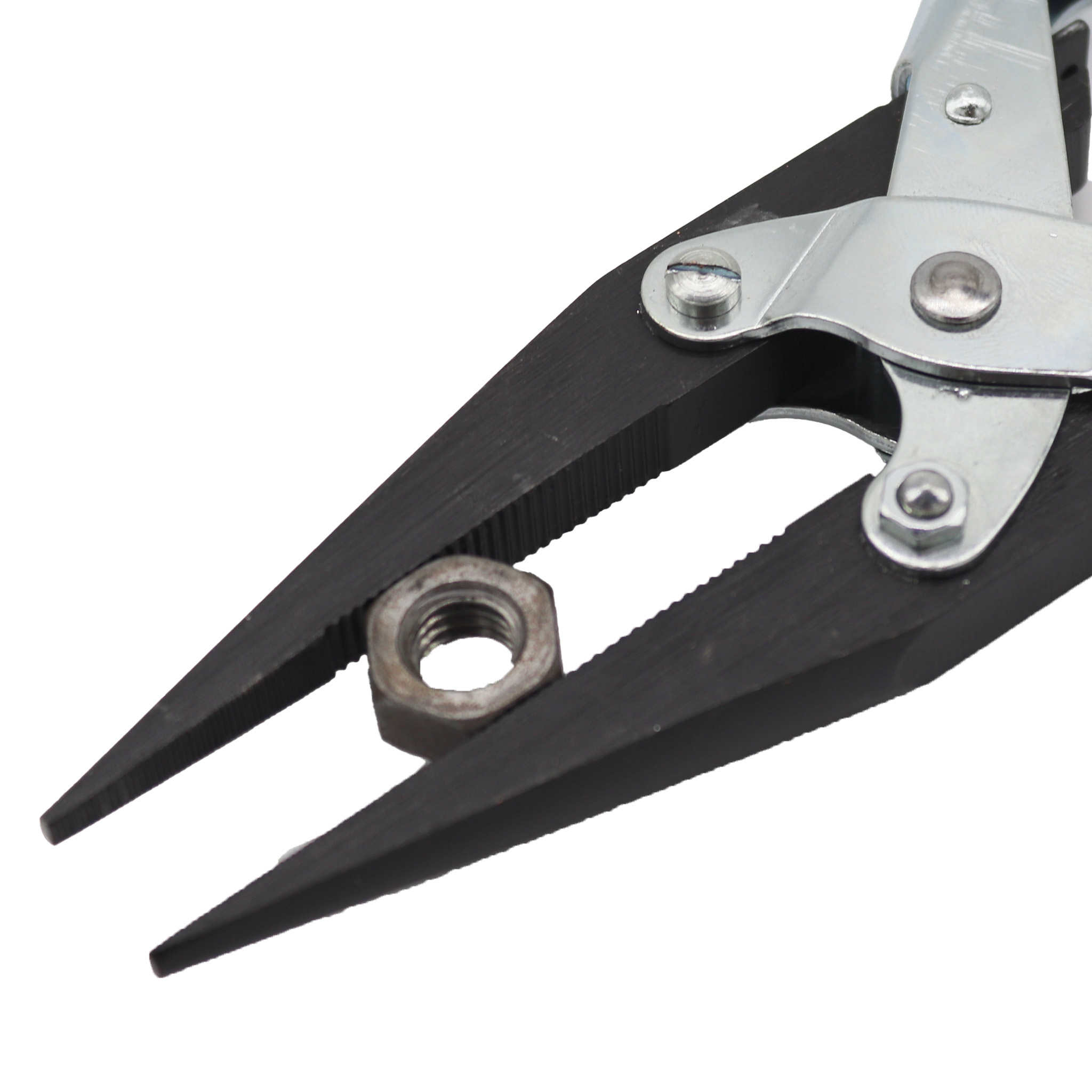
This has pros and cons, which we’ll discuss below:
Long Nose – Everyday Workhorse for Hard to Reach Places
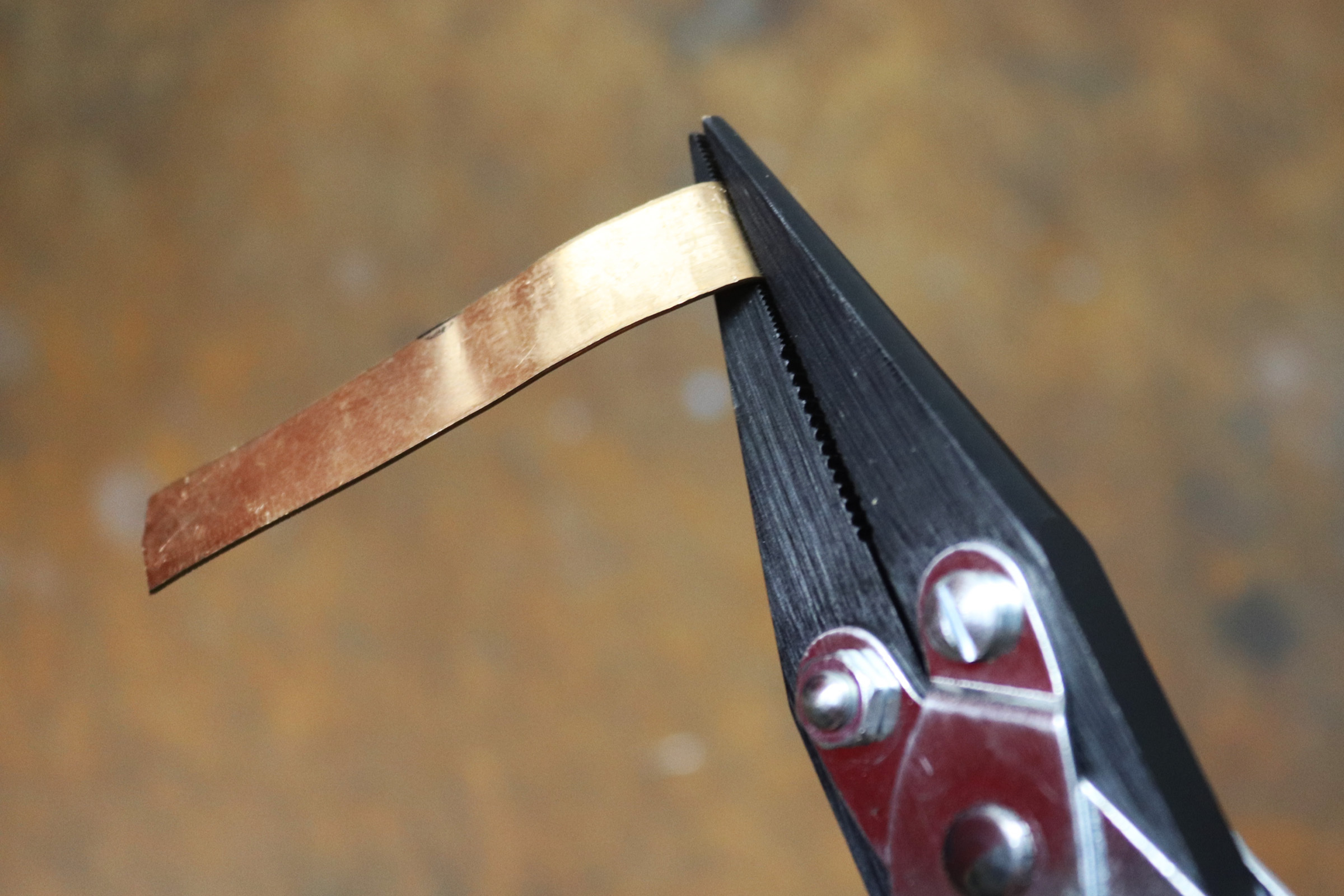
Long nose pliers offer a similar strength of grip to traditional pliers, just with a longer reach.
The shape and design of the pliers are very similar too, and you’ll likely find them very simple to use if you already use traditional pliers.
They’re ideal for:
- Bending and shaping thicker wires - Perfect for electricians working with solid-core wiring.
- Mechanical & automotive work - Gripping stubborn parts like bolts that need a firm hold.
- General household repairs - Twisting, pulling and gripping where fingers can’t reach.
Their slightly broader tips distribute pressure more evenly, reducing the risk of slipping or damaging materials.
What’s the best Long Nose Plier?
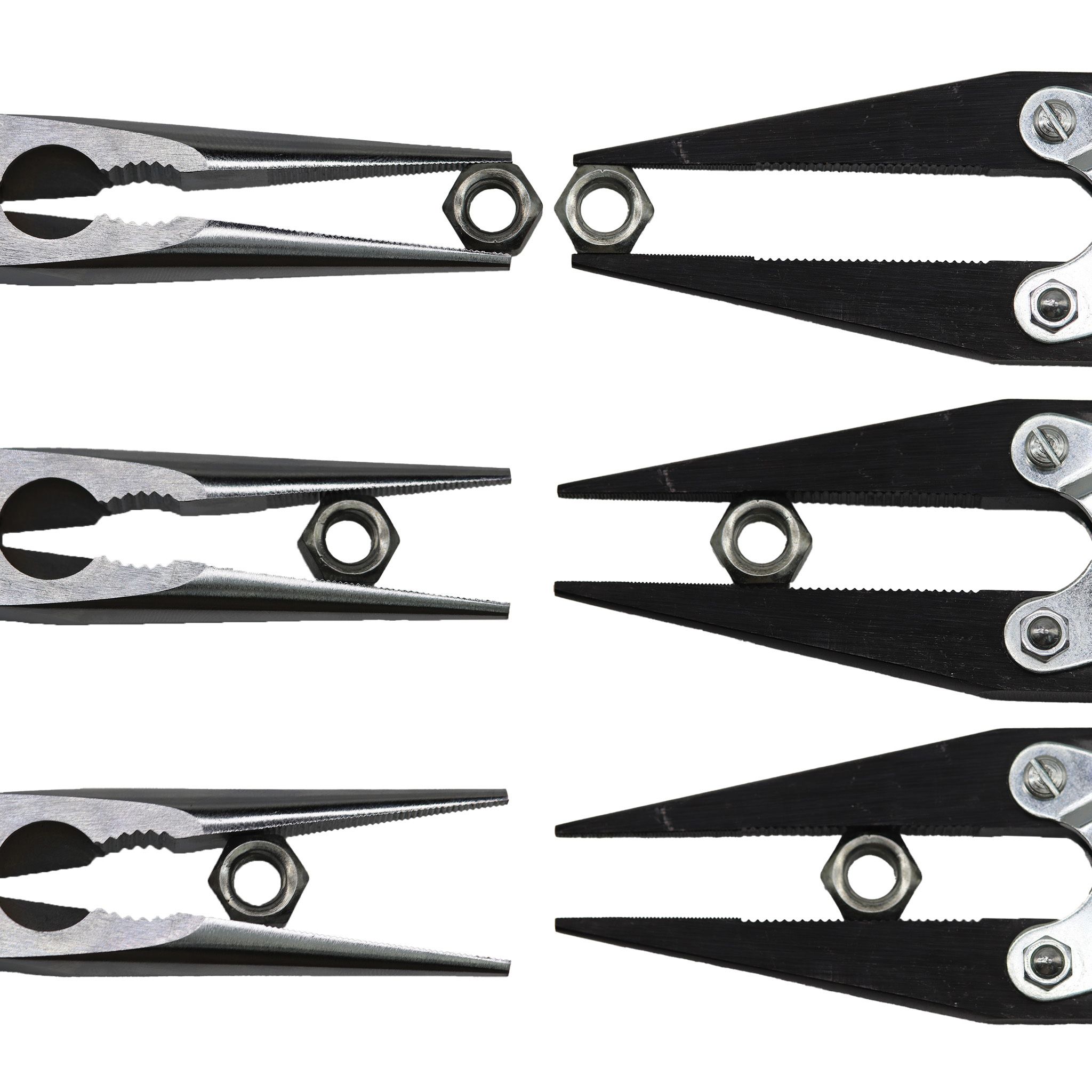
The best long-nose pliers have parallel jaws (like Maun’s), ensuring better contact with the object. This design requires less effort to grip and bend while allowing you to apply more force with greater precision.
Needle Nose – For Very Fine Detailed Work
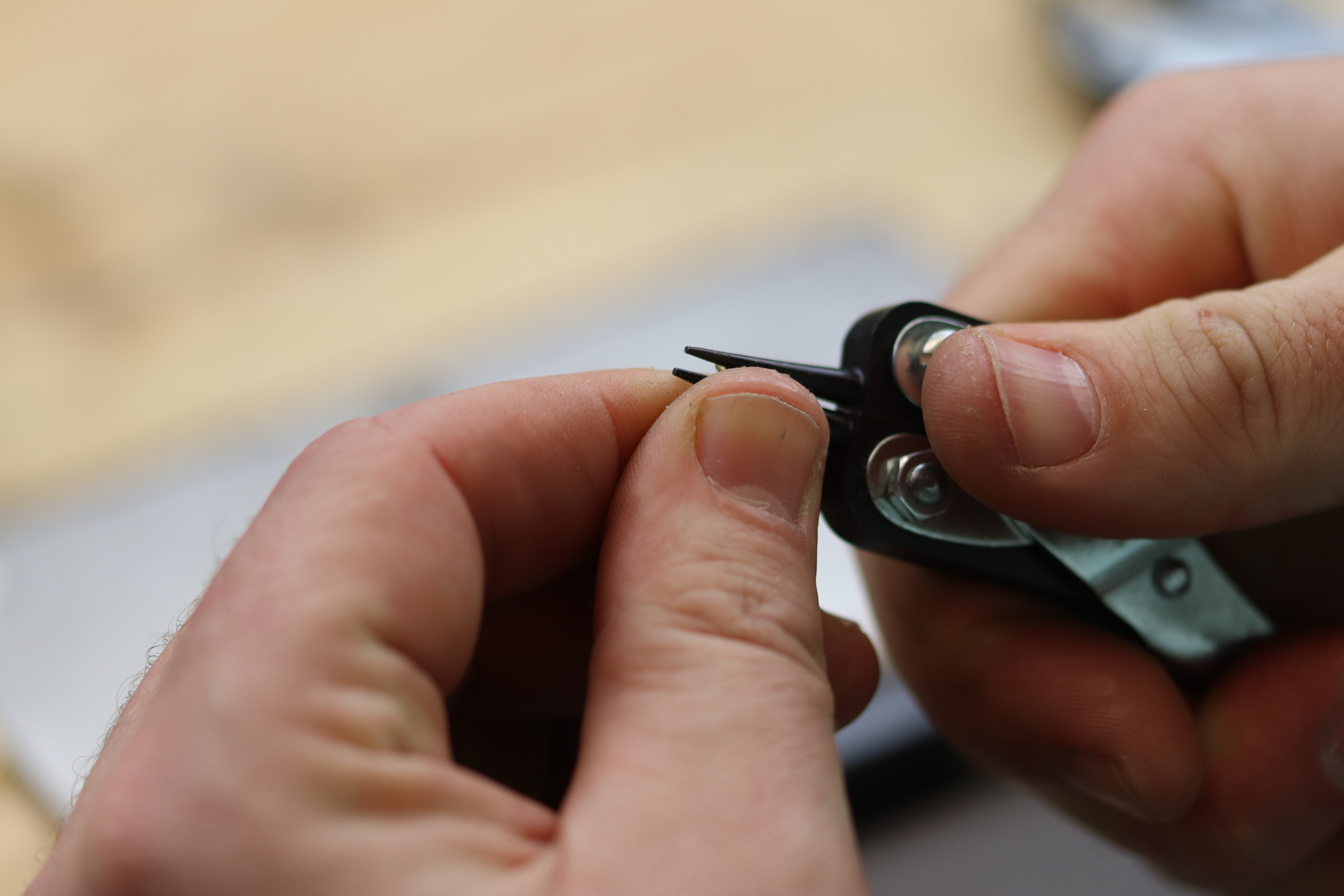
When trying to fix a tiny electrical connection in a very tight space at the full length of your reach, you need pliers with a lot of precision and a long reach.
This is where you should choose needle nose pliers, with the ultra fine point designed to manipulate small objects at range accurately and without damaging them.
They’re the go-to tool for:
- Electronics & wiring - Holding and positioning delicate connections.
- Jewellery & crafts - Bending thin metal without excess force.
- Model-making & fishing - Gripping tiny components or removing hooks.
The tapered tips of the jaws make them exceptional in tight spaces, but they’re not built for heavy-duty gripping.
Which To Choose in Common Scenarios
1. Stripping and Bending Electrical Wires (Electricians & DIY)
- Best Tool: Long Nose Pliers
- Why? The slightly wider, stronger jaws provide a better grip on wire insulation, making it easier to strip and bend wires without slipping. They also offer enough strength to shape thicker wires without damaging them.
2. Gripping a Tiny Screw That Fell Into a Tight Space (Repairs & Maintenance)
- Best Tool: Needle Nose Pliers
- Why? Their ultra-fine, sharply tapered tips can reach into narrow gaps where fingers or wider tools won’t fit, making it easy to grab and retrieve small screws, nuts or components.
3. Bending or Holding Thicker Metal Wire (Metalworking & Crafting)
- Best Tool: Long Nose Pliers
- Why? The broader tips provide a firmer grip and better leverage when working with thicker materials, reducing the risk of bending the jaws or losing grip.
4. Working on a Soft Metal Jewellery Chain (Jewellery & Crafting)
- Best Tool: Needle Nose Pliers
- Why? The narrow, pointed tips allow for precise control when opening and closing small jump rings or links, without damaging delicate metals. For harder wire, long nose pliers may be better.
5. Twisting Multiple Wires Together for a Secure Connection (Electricians & DIY)
- Best Tool: Long Nose Pliers
- Why? The stronger grip and wider contact area allow you to twist wires together firmly, ensuring a solid electrical connection without slipping. The longer contact area on the Maun Long Nose Parallel Pliers gives you better grip with less pressure, meaning you’ll be less likely to damage the wire you’re working with.
6. Removing a Fish Hook from a Fish’s Mouth (Fishing & Outdoors)
- Best Tool: Needle Nose Pliers
- Why? The long, fine tips provide precision to grip the hook firmly while manoeuvring it out gently without injuring the fish.
7. Holding a Small Nut in Place While Tightening a Bolt (Mechanical Repairs)
- Best Tool: Needle Nose Pliers
- Why? The fine tip provides a precise grip on small hardware, making it easier to hold in place without slipping. If the nut is slightly larger, then long nose pliers will be fine.
9. Gripping and Pulling Out a Stubborn Nail or Staple (Carpentry & DIY)
- Best Tool: Long Nose Pliers
- Why? The stronger jaws give you the leverage needed to grip and remove stubborn nails, tacks, or staples from wood.
10. Threading Beads onto Wire (Jewellery and Crafting)
- Best Tool: Needle Nose Pliers
- Why? The fine tips provide better dexterity for holding and positioning tiny beads without crushing them.
Final Summary
There’s a complete summary of needle vs long nose pliers.
If you have any feedback or improvements you’d recommend for this post, we’d love to hear from you.
This post was brought to you by Maun, experts in tools since 1944.
Scroll back up to re-read any key points, browse our related pages below, or contact us with any questions: