

Best Insulated Pliers
19th Dec 2025
Looking for electrical tools that are safe on potentially live circuits?
Then they need to be insulated.
In this guide, we’ll discuss our top picks for insulated pliers in 2025.
Best for Repeated Wire Cuts During First Fix Installations
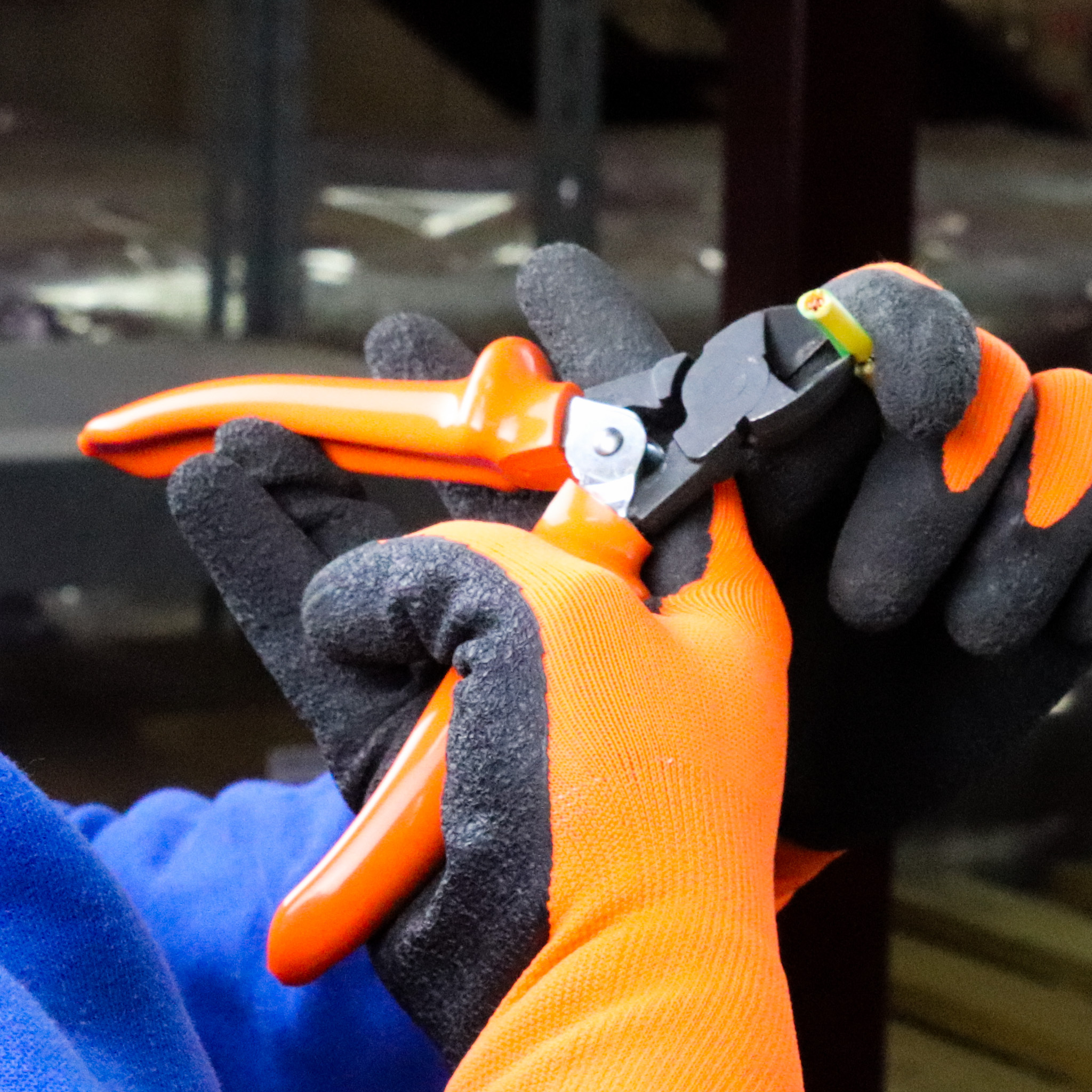
Our pick: 1000V Insulated Diagonal Cutting Plier (160 mm)
When you're cutting conductor after conductor on a first fix, fatigue is the real enemy.
Standard side cutters struggle on hard wire and steel ties (tiring out your hands), but the Maun 160 mm Diagonal Cutting Plier has a compound-lever action to multiply your hand force by 22x - so you can slice through tough materials all day without wrecking your hands.
Why electricians pick this one:
- Effortless cuts on 2.5 mm hard wire and steel strands from SWA cable.
- Longer 160 mm handles = better leverage, less strain.
- Ideal for bulk cutting 2.5 mm and 1.5 mm twin & earth, alarm cable and steel cable ties.
- Great for repeatedly trimming meter tails.
Tradeoff: Not as manoeuvrable in cramped consumer units - but unbeatable for heavy daily cutting in open installs.
Best for Tight Consumer Units and Panel Wiring
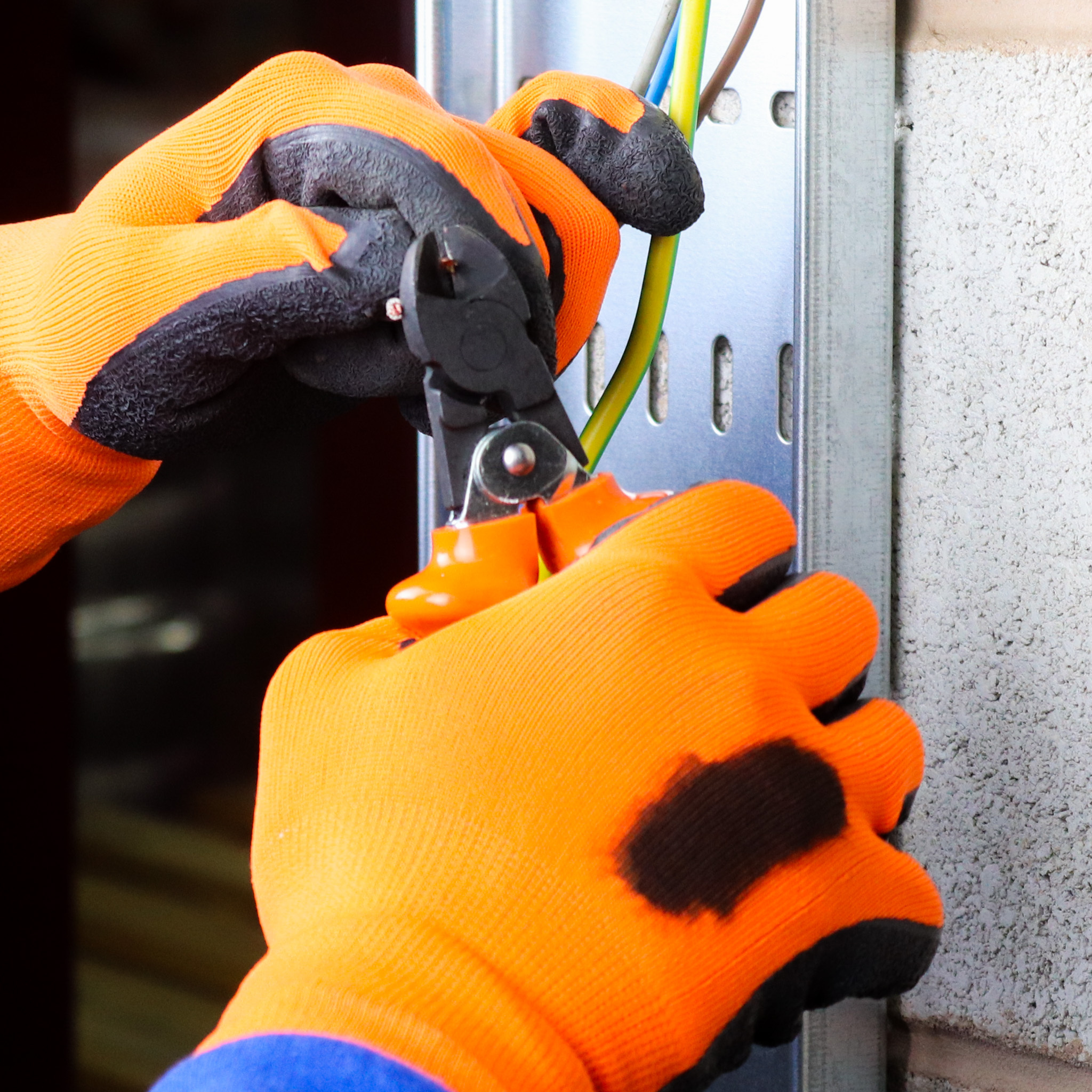
Our pick: 1000V Insulated Diagonal Cutting Plier (140 mm)
Consumer units and distribution boards are unforgiving when space is limited, and that’s just when you need your cuts to be extremely precise.
At 140 mm, this cutter is compact enough to manoeuvre where larger pliers get in the way, but still delivers 18x hand force multiplication to handle tougher wires cleanly and prevent fatigue.
Why electricians pick this one:
- Compact body = easy to work in tight enclosures.
- Cuts up to 2.0 mm hard wire and steel cored cable ties.
- Perfect for final fix, trimming conductors in consumer units, and maintenance jobs.
- Helps you avoid nicking copper when cutting short lengths in tight spaces.
Tradeoff: Less leverage than the 160 mm model - but for precision inside boards, it’s the clear winner.
Best for Gripping Fastenings and Cutting Larger Cable in Switchgear Work
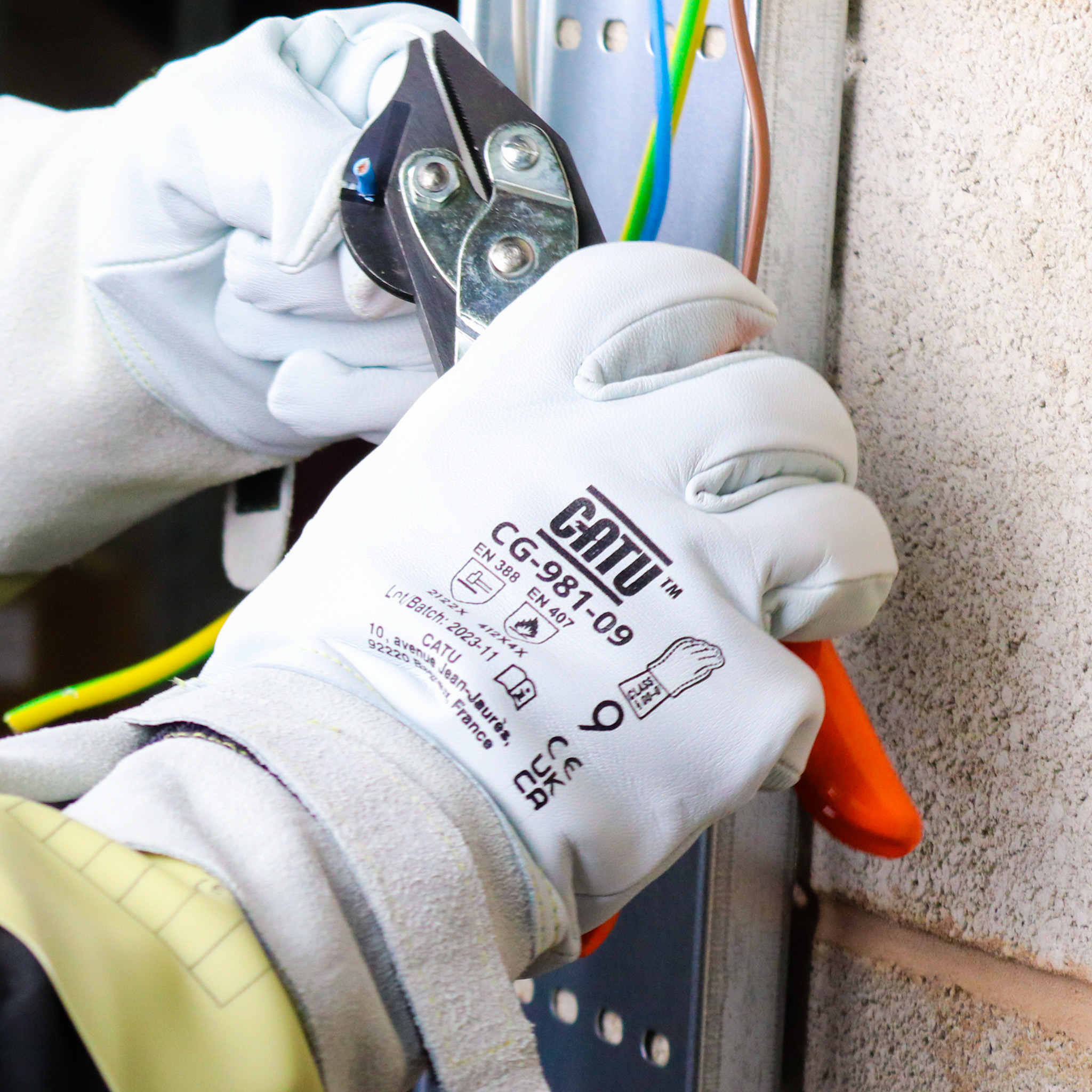
Our pick: 1000V Insulated Side Cutter Parallel Plier (200 mm)
This is a combination plier built for electricians, a gripping tool and cutter in one. The parallel serrated jaws hold fastenings without slipping, while the v-slot and open throat let you feed cable and grip/bend along the entire length.
At 200 mm, it provides serious reach and 25x hand force multiplication, making it ideal for industrial environments and working with thick gauge cable.
Why electricians pick this one:
- Vice-like grip on square & hex fixings, earth tags, and compression glands.
- Cuts up to 3.0 mm hard wire / 6.0 mm flexible cable (flex).
- Great for switchgear, trunking, industrial panels and trimming SWA armour strands when preparing glands.
Tradeoff: The larger size is less suited to precision final fix work – but when you need a multi-tool for grip + cut, this is the one.
Best for Precision Wire Straightening and Cutting During Terminations
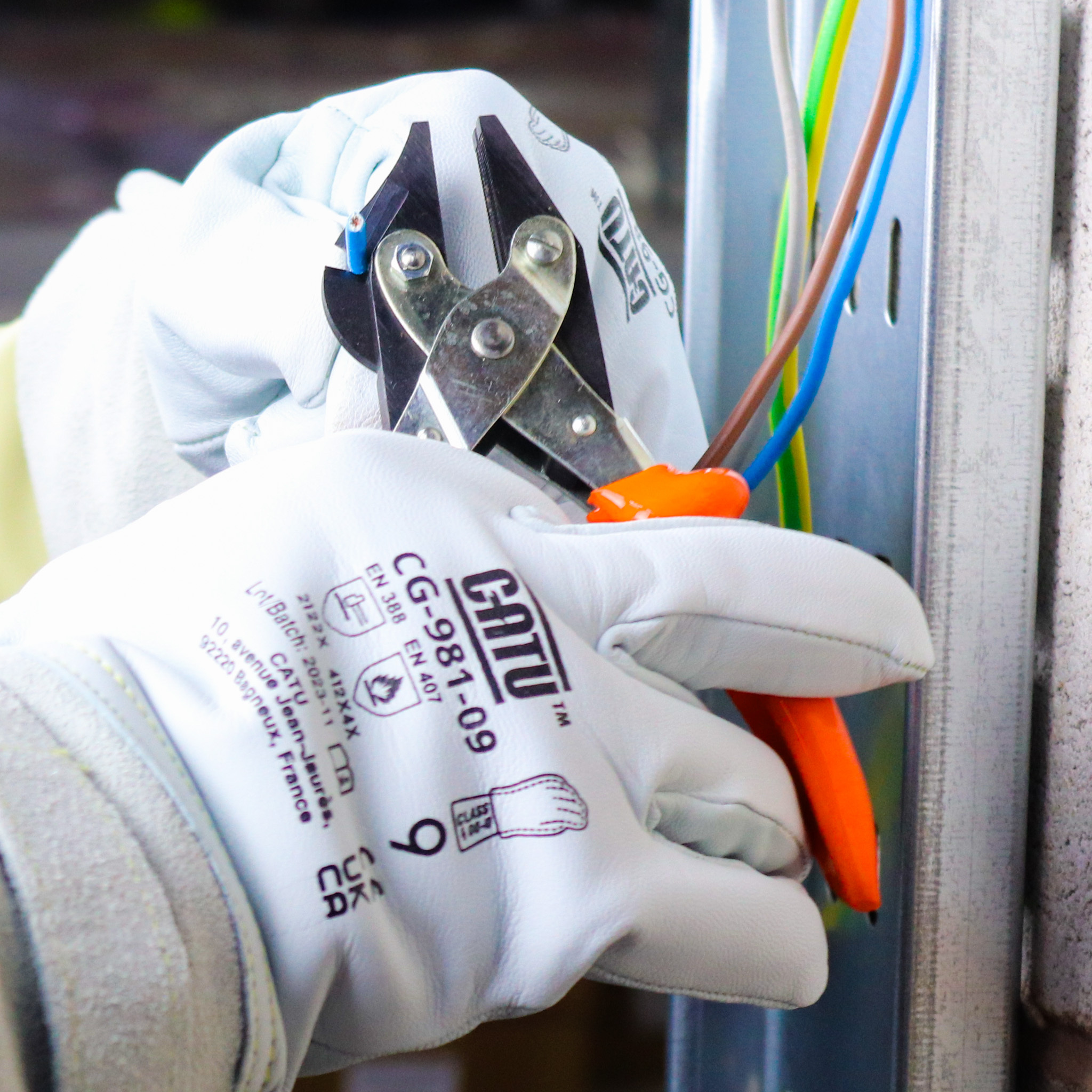
Our pick: 1000V Insulated Side Cutter Parallel Plier (160 mm)
For landing conductors neatly, you need control. The 160 mm side cutter parallel plier straightens and de-kinks solid copper with even jaw pressure (to avoid crushing it), while still cutting with 23x hand force multiplication to prevent hand fatigue.
It’s the tool that makes terminations clean and professional. Especially useful on solid cores that need to be re-shaped after being pulled through conduit or trunking
Why electricians pick this one:
- Parallel jaws let you straighten wires without damaging the internal core.
- Cuts up to 2.5 mm hard wire / 4.0 mm soft wire.
- Great for prepping 2.5 mm and 1.5 mm twin & earth before socket and switch terminations or tidying conductors inside consumer units.
Tradeoff: Less brute strength than the 200 mm version - but unbeatable for precision prep in live boards and clean terminations.
Comparison Table
| Tool | Force Multiplier | Max Cut | Best For |
| 22x | Hard/SWA Strand/Soft: 2.5/2.0/4.0 mm | First fix, heavy cutting, meter tails | |
| 18x | Hard/SWA Strand/Soft: 2.0/1.6/3.0 mm | Tight panels, consumer units, final fix | |
| 25x | Hard/SWA Strand/Soft: 3.0/2.5/6.0 mm | Switchgear, industrial installs, SWA armour | |
| 23x | Hard/SWA Strand/Soft: 2.5/2.0/4.0 mm | Terminations, wire prep, conductor reshaping |
You can browse the full range of insulated pliers here, and insulated side cutters here.
How Do You Know Your Insulated Pliers Are Safe and Compliant?
To verify a tool is IEC 60900 compliant, look for the double triangle symbol next to a 1000V marking, as well as the IEC 60900 number on the insulating handles of the tool.
You should also see the manufacturer’s name and model reference on the tool itself.
If the insulation is damaged, it could compromise its safety, so check the tool before use.
Plastic grips on pliers does not necessarily mean they are insulated, so check the points above to ensure your tool is safe for potentially live circuits.
If a tool claims it is “insulated” without the symbol or number, be very sceptical as it could be unsafe.
Is VDE a Legal Requirement?
No, VDE is not a legal requirement for insulated hand tools. It’s simply one company that tests tools to the international standard of IEC 60900:2018.
There are countless other companies that certify tools to IEC 60900:2018, so you don’t need to look for “VDE” on a product name.
What are the Key Benefits of Parallel Pliers vs Normal Pliers?
The key benefit of parallel pliers is the stronger, more even grip along the full jaw. That means you don’t end up crushing wires at a single point, so you’re less likely to damage the cable you’re working with. It also reduces hand strain, making it easier to work accurately for longer.
Parallel jaws also grip fastenings like glands and tags more securely than standard pliers, so you get extra versatility from the same tool. Learn more about parallel pliers here.
Final Summary
Those are our top picks for insulated pliers in 2025.
If you have any feedback or improvements you’d recommend for this post, we’d love to hear from you.
This post was brought to you by Maun, experts in tools since 1944.
Scroll back up to re-read any key points, browse our related pages below, or contact us with any questions: